If you're considering ending a tenancy in Alberta, the first thing to know is that you can't simply tell a tenant to leave. There must be a valid reason for ending the lease under the province's tenancy laws.
You also have to follow specific steps to evict a tenant in Alberta. The reason the tenancy is ending determines which legal process applies, how much notice the tenant receives, and what happens once the eviction begins.
Serving an eviction notice doesn't necessarily end the tenancy. Depending on the situation, the tenant may challenge the eviction or refuse to vacate the rental. If that happens, you'll need to take further steps to regain possession, such as obtaining an eviction order from the Residential Tenancy Dispute Resolution Service (RTDRS) or the court.
This guide explains when you can legally end a tenancy in Alberta, which notice or process applies, what happens after the notice is served, and what to do if the tenant doesn't leave.
Alberta eviction notice at a glance
Assault, threats or significant property damage
24 hours
Unpaid rent or another substantial breach
14 days
Landlord or family member moving in (periodic tenancy)
3 months
Renovation, demolition or condo conversion (periodic tenancy)
365 days
Who issues eviction orders
RTDRS or court
When can a landlord evict a tenant in Alberta?
In Alberta, a landlord can only evict a tenant for reasons set out in the Residential Tenancies Act (RTA). Generally, these lawful grounds fall into two categories.
The first covers situations where the tenant breaks a lease obligation, which the RTA identifies as a "substantial breach." Examples include failing to pay rent, willfully damaging the rental, or endangering other tenants in the same building.
The second covers situations where the tenant hasn't broken any lease terms, but the landlord has a legitimate personal or business reason to end the tenancy, such as major renovations that require the rental to be vacant.
There are also other lawful reasons for ending a tenancy in Alberta that don't fall into either category. A tenant may be engaged in illegal activity, or the lease may have expired with no renewal. In the latter case, you can begin eviction proceedings if the tenant refuses to leave.
Non-payment of rent. The tenant has defaulted on their rent or has repeatedly made late payments.
Serious safety issues. Tenants have a legal responsibility not to endanger the landlord and other tenants in the building.
Disturbing the landlord or other tenants. Excessive noise or other behaviour that interferes with the rights of the landlord and other tenants to use and enjoy the property.
Property damage. The tenant has deliberately or negligently caused damage to the rental or building, which can justify a 24-hour termination notice.
Lack of proper maintenance. If the tenant fails to keep the premises reasonably clean as stated in the lease agreement, the behaviour can constitute a substantial breach.
Refusing to leave after the lease ends. The tenant must leave after a fixed-term lease expires and there's no renewal agreement.
Assault or threats. If the tenant assaults or threatens the landlord or another tenant, you can issue a 24-hour notice to end the tenancy.
Illegal activity or business. Conducting unlawful acts or running an illegal business (or one disallowed under the lease) is considered a substantial breach.
Unauthorized occupants. The tenant has allowed someone who is not listed in the rental agreement (including pets) to live in the unit.
Personal use of the rental by the landlord. The landlord or a close family member intends to move into the unit.
Demolition, conversion, or renovation. The landlord intends to renovate, demolish, or convert the unit for a different purpose, such as a commercial office, requiring the tenant to vacate.
Personal use by purchaser. The landlord has agreed to sell the property, and the purchaser or a member of their family wishes to occupy the rental.
Certain grounds carry conditions you have to meet before starting the process. This is especially true for no-fault evictions, where the tenant hasn't breached the lease, under periodic tenancies.
For renovations, you must give your tenant 365 days' notice under a periodic tenancy. The work also has to be substantial enough to warrant the tenant vacating the premises. Painting or replacing floorboards doesn't constitute a renovation.
Tenants in Alberta can pursue compensation for damages through the Residential Tenancy Dispute Resolution Service (RTDRS) or court if a landlord evicts them in bad faith. Confirm what does and doesn't constitute a legal eviction before preparing your notice.
Which eviction notice should you use in Alberta?
An Alberta landlord must notify tenants in writing of their intention to end the tenancy with proper notice. Unlike Ontario and BC, Alberta doesn't require specific government-approved forms. The notice must still contain specific details to be valid.
Landlords in Alberta can prepare several types of notices. Three relate to substantial tenant breaches, and others relate to no-fault evictions. The one you deliver depends on the reason behind the eviction. Getting this step right matters: providing the wrong notice or not giving your tenant enough time to respond makes the notice invalid and delays the eviction.
Use the table below to find the notice that matches your reason for ending an Alberta lease and the amount of notice required.
Reason for eviction
Notice process
Unpaid rent
At least 14 days' notice, or apply to the RTDRS or court to end the tenancy
Substantial breach other than unpaid rent
At least 14 days' notice, or apply to the RTDRS or court to end the tenancy
Assault, threat or significant property damage
At least 24 hours' notice, or apply to the RTDRS or court to end the tenancy
Unauthorized occupant while the tenant still resides in the rental
At least 14 days' notice
Unauthorized occupant after the tenant moves out
At least 48 hours' notice
Tenant doesn't leave after a fixed-term lease ends with no renewal
No notice required; apply to the RTDRS to end the tenancy
Personal use of the rental by the landlord or landlord's family member
Three months' notice for a periodic tenancy. A fixed-term lease must be carried out to the end of the term before the landlord can occupy the property
Demolition
One year's notice for a periodic tenancy. A fixed-term lease must be carried out to the end of the term unless the lease explicitly allows the eviction
Major renovation
One year's notice for a periodic tenancy. A fixed-term lease must be carried out to the end of the term unless the lease explicitly allows the eviction
Condominium conversion
365 days' notice for a periodic tenancy. A fixed-term lease must be carried out to the end of the term unless the lease explicitly allows the eviction
How does the eviction process work in Alberta?
An Alberta landlord can't demand that a tenant leave and then change the locks. You have to follow a formal, multi-step process under the Residential Tenancies Act. The RTDRS administers evictions in the province, ensuring the rules are followed and protecting the rights of all parties involved.
Giving your tenant notice is usually only the first step. Depending on the situation, they may have time to correct the issue, such as paying past-due rent, or to challenge the eviction, which can drag out the process.
Below is a breakdown of the eviction process in Alberta, from issuing a notice to legally regaining possession of your rental property.
Serve your tenant with the correct notice
Give your tenant the written notice that applies to your reason for ending the tenancy. Make sure it includes all the legally required information, such as the address of the rental unit, the reason for the eviction, and the date the tenancy ends.
You can deliver the eviction notice in several ways, including in person, by registered mail, or by posting it in a visible location on the rental premises. Email isn't a valid delivery method unless the tenant gives written consent or the lease agreement allows it.
In some cases, usually emergencies, you can apply directly to the RTDRS or court instead of giving notice first. One example is a tenant physically assaulting you or another tenant in the building.
Give your tenant time to respond
By law, an eviction notice gives the tenant time to respond. The situation can unfold in one of three ways:
The tenant resolves the issue that led to the notice, such as paying back past-due rent before the notice period expires. The notice is then voided and the tenancy continues.
The tenant objects to the eviction in writing before the notice period expires, which commonly happens with 14-day notices for lease breaches.
The tenant complies and leaves the rental on the termination date, the date the tenancy officially ends.
If your tenant rejects the notice and stays in the rental, the next step is applying to the RTDRS.
Apply to the RTDRS or court if needed
If the tenant disputes your eviction notice, doesn't pay or doesn't leave, you may need to apply to the RTDRS for a legally binding eviction order. You can also file an application with the Alberta Court of Justice. This article focuses on the RTDRS route.
At the hearing, you'll have to show that you have legal justification for ending the tenancy. The tenant has the right to attend and argue against your case.
Get an Order of Possession
If you win your case, the RTDRS or court will issue an Order of Possession, giving you the legal right to regain control of the rental unit. Unlike an eviction notice, an Order of Possession isn't a request. It's a legal requirement the tenant must observe, meaning they must leave by the date stated on the document.
The order doesn't give you the right to enforce the eviction yourself. You cannot change the locks, shut off the utilities, or remove the tenant's belongings if the tenant refuses to leave. You'll need to contact the appropriate authorities to carry out the eviction.
Use legal enforcement if the tenant still doesn't leave
As the landlord, you cannot physically remove the tenant. If they remain in the rental after the tenancy has legally ended, you can apply to a licensed civil enforcement agency to execute the eviction. The agency will schedule an enforcement date to attend the property and remove the tenant if necessary.
Already covered by Rent Guarantee?
Raise a demand through your SingleKey account as soon as a payment is missed or a serious tenancy issue occurs. SingleKey can work with your tenant to resolve the issue and, if an eviction is needed, help with notices, filing, the hearing, and the enforcement process, including up to $2,000 in eligible eviction-related legal fees.
What happens if the tenant doesn't agree with the eviction notice?
An eviction notice is a formal request to end the tenancy. It can't force a tenant to leave, and they can continue living in the rental. You cannot physically remove them.
Say your tenant objects to a 14-day eviction notice to pay several months of past-due rent. After 14 days, they refuse to leave and have made no effort to catch up on the missed payments. At that point, you escalate the dispute to the RTDRS or Alberta court, where you'll need to show why the tenancy should legally end. If successful, you'll receive an Order of Possession, which formally ends the tenancy.
Important noteA special rule applies to 24-hour notices. If the tenant doesn't leave, you generally have 10 days after the tenancy ends to apply for an order confirming the termination. Miss that deadline and you can't keep relying on the same 24-hour notice.
Applying to the RTDRS works as follows.
Gather supporting evidence
Collect Alberta rental documents that support your case, such as the lease agreement, eviction notice, invoices, photographs, and email correspondence.
After filing, you'll receive a copy of the application package, which includes the original application, your evidence, and a Notice of Hearing package with a hearing date and time.
Serve the application package to your tenant
Give your tenant a copy of the application package, including the Notice of Hearing.
At the hearing, you'll present your case before a tribunal. The Tenant Dispute Officer will listen to both sides and make a final decision. If you win, you'll receive an Order of Possession. Unlike an eviction notice, the tenant must obey the eviction order and vacate the rental by the date listed.
In certain cases, the eviction order may be cancelled if the tenant takes the required action to remedy the issue, such as paying past-due rent by the deadline listed in the order.
What happens if the tenant doesn't leave?
If the tenant stays after the tenancy has legally ended, don't try to remove them yourself. You'll have to hire a civil enforcement agency to carry out the eviction legally. These private companies employ bailiffs to enforce court orders and are authorized under the Civil Enforcement Act.
First, take the original Order of Possession and apply to the Court of King's Bench to convert it into a Writ of Possession. This requires paying a court filing fee. The writ gives civil enforcement agencies the right to remove the tenant from your rental.
Next, choose a licensed civil enforcement agency in the province. You can find one through the Office of the Sheriff, Civil Enforcement directory. Complete their required forms and provide the Order of Possession along with any other requested documents. The agency will calculate the estimated fee for travelling to your rental and enforcing the order, which may require removing the tenant's belongings.
Once the agency processes your application, it will schedule a date for a bailiff to visit your rental and enforce the eviction. At that point, you can coordinate with a locksmith to change the locks and secure the premises.
How long does it take to evict a tenant in Alberta?
There's no single eviction timeline in Alberta because not every case follows the same path. If the tenant pays what they owe, fixes the issue or leaves after receiving notice, the process may end there, taking only a few days or weeks. If they challenge the eviction, stay in the unit, or force the case through the RTDRS or court, it can take considerably longer.
The main factors that affect the timeline:
The reason for the eviction. An emergency, such as one involving unauthorized occupants in the rental, has a shorter timeline than one related to late rent payments.
The minimum notice period required. The notice period ranges from 24 hours to 14 days, depending on the reason for the eviction.
Whether proper procedure is followed. Serving an improper eviction notice or applying to the RTDRS with key details missing can delay the process.
How soon the RTDRS or court schedules a hearing. It can take several weeks to attend an RTDRS hearing, depending on the organization's backlog. Getting a court date can take longer.
How long the decision takes. The RTDRS usually renders a judgment the same day as the hearing, but complex cases can take up to 30 days. Court-based decisions usually take longer.
How long enforcement takes. The Sheriff will set an eviction date, which can fall weeks after the move-out date in the RTDRS order, depending on the backlog of enforcement applications.
Protect your next tenancy from the start
No landlord wants to go through an eviction. The process is messy, costly, and tedious. But sometimes it's the right choice for your rental, whether you need to remove a non-paying tenant or sell the property. Either way, you must end a tenancy in Alberta lawfully, so understand the provincial tenancy legislation before taking the first step.
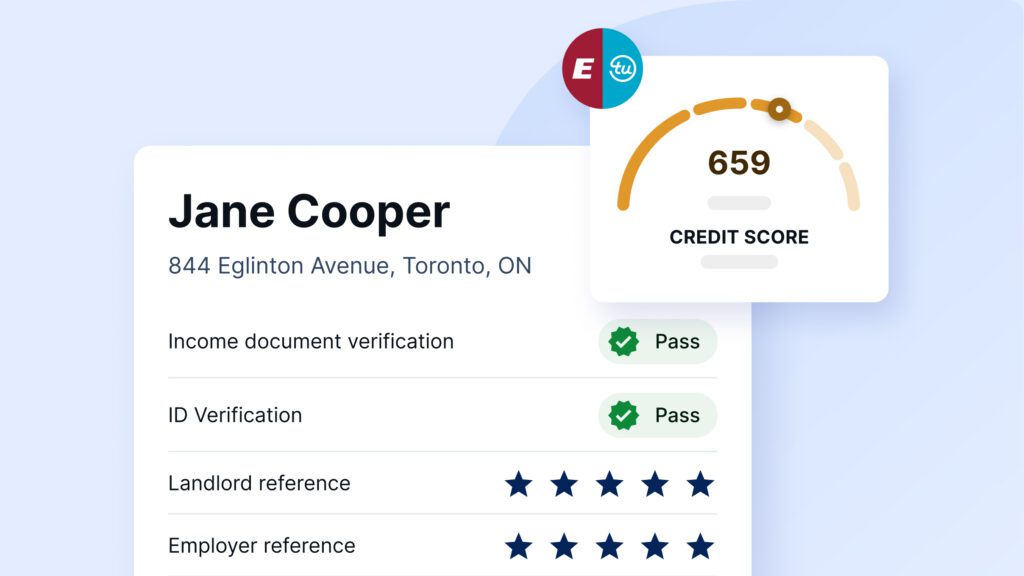
Once your current tenancy ends, it's worth thinking about how to reduce the risk of eviction with the next tenant. SingleKey's Tenant Screening report can help spot red flags fast. You can review an applicant's credit history, income sources, identity, employment, landlord references, and eviction history before approving them as a tenant.
Important noteRent Guarantee can't be purchased after a problem begins and then cover that existing issue. Coverage must be in place before the default or problem occurs.
Screen your next tenant before you hand over the keys
Check credit, income, identity, landlord references, and eviction history in one report, then add Rent Guarantee coverage before the tenancy starts.
Can a landlord change the locks or shut off utilities to evict a tenant in Alberta?
No. Even with an Order of Possession in hand, you cannot change the locks, shut off the utilities, or remove the tenant's belongings yourself.
If the tenant stays past the date on the order, convert it into a Writ of Possession through the Court of King's Bench and hire a licensed civil enforcement agency to carry out the eviction. You can change the locks once the bailiff has enforced the eviction.
How long does a 24-hour eviction notice stay valid in Alberta?
You generally have 10 days after the tenancy ends to apply for an order confirming the termination. If you miss that window, the same 24-hour notice can no longer be relied on and you'll have to start again.
Can a tenant stop an eviction by paying the rent they owe?
Often, yes. If the tenant pays the past-due rent before the notice period expires, the notice is voided and the tenancy continues.
The same can apply after a hearing. In certain cases, an eviction order is cancelled if the tenant takes the required action to remedy the issue by the deadline listed in the order.
What counts as a bad-faith eviction in Alberta?
A bad-faith eviction is one where the stated reason isn't the real one, or where the conditions attached to that reason weren't met. Renovation evictions are a common example: the work has to be substantial enough to require the tenant to vacate, and painting or replacing floorboards doesn't qualify.
Tenants can pursue compensation for damages through the RTDRS or court if they're evicted in bad faith, so confirm that your grounds and notice period are correct before you serve anything.