Create a lease for your tenancy, add terms and get it signed online for free
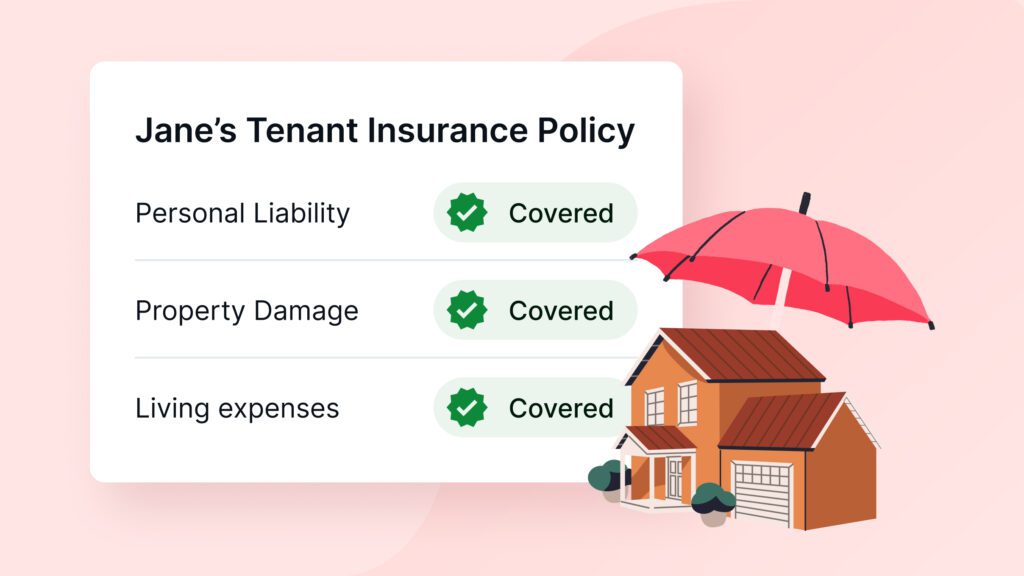
Protect against unpaid rent, damage, and eviction costs
Collect rent automatically via Interac or PAD
Create a lease for your tenancy, add terms and get it signed online for free
Pre-screen applicants before scheduling viewings
Screen tenants, protect rent, and manage your portfolio
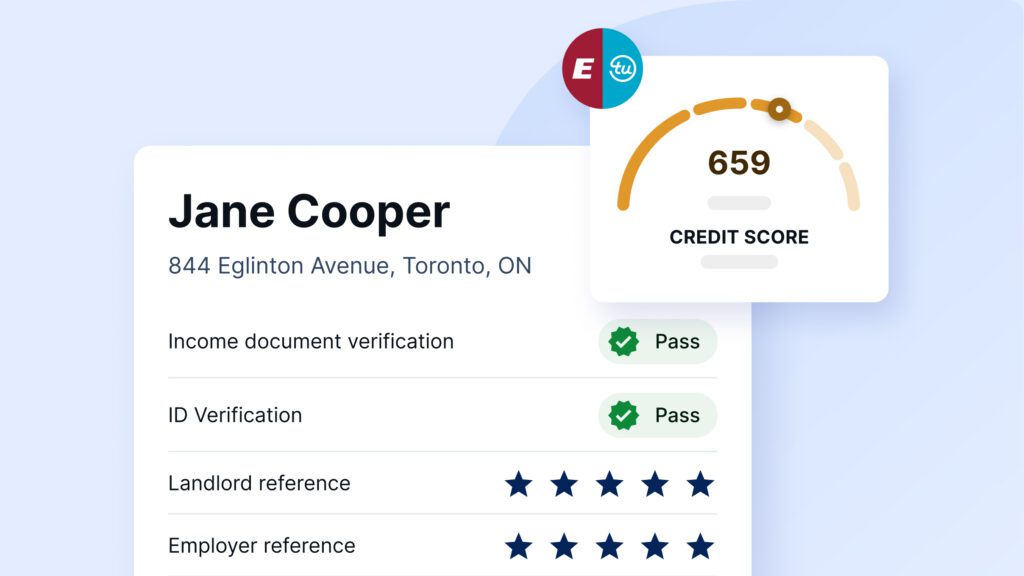
Credit, income, background, and eviction checks
Approve more renters and fill vacancies faster
Create, sign, and organize leases across properties with less admin
Screen tenants and protect your clients’ rental income
Credit, income, background, and eviction checks
Protect clients against unpaid rent and damage
Create professional leases quickly with province ready forms and free e-signing
Explore rental market insights, tips, and guides
Download free lease templates for your province
Download free rental application forms
Check if an applicant’s income can cover rent
Understand rental laws in your province
Credit, income, background, and eviction checks
Protect against unpaid rent, damage, and eviction costs
Collect rent automatically via Interac or PAD
Create a lease for your tenancy, add terms and get it signed online for free
Pre-screen applicants before scheduling viewings
Credit, income, background, and eviction checks
Protect against unpaid rent, damage, and eviction costs
Collect rent automatically via Interac or PAD
Create a lease for your tenancy, add terms and get it signed online for free
Pre-screen applicants before scheduling viewings
Credit, income, background, and eviction checks
Protect against unpaid rent, damage, and eviction costs
Collect rent automatically via Interac or PAD
Create a lease for your tenancy, add terms and get it signed online for free
Pre-screen applicants before scheduling viewings
Credit, income, background, and eviction checks
Protect against unpaid rent, damage, and eviction costs
Collect rent automatically via Interac or PAD
Create a lease for your tenancy, add terms and get it signed online for free
Pre-screen applicants before scheduling viewings
Screen tenants, protect rent, and manage your portfolio
Credit, income, background, and eviction checks
Approve more renters and fill vacancies faster
Create, sign, and organize leases across properties with less admin
Screen tenants, protect rent, and manage your portfolio
Credit, income, background, and eviction checks
Approve more renters and fill vacancies faster
Create, sign, and organize leases across properties with less admin
Screen tenants and protect your clients’ rental income
Credit, income, background, and eviction checks
Protect clients against unpaid rent and damage
Create professional leases quickly with province ready forms and free e-signing
Screen tenants and protect your clients’ rental income
Credit, income, background, and eviction checks
Protect clients against unpaid rent and damage
Create professional leases quickly with province ready forms and free e-signing
A look at Canada’s average renter profile, affordability, and risk trends based SingleKey’s renter data.
Explore rental market insights, tips, and guides
Download free lease templates for your province
Download free rental application forms
Check if an applicant’s income can cover rent
Understand rental laws in your province
Becoming a successful landlord in Ontario can be challenging. If you’re an investment property owner or new landlord living in Ontario, familiarize yourself with the local rental market and learn how to navigate essential Ontario rental agreements and documents.
In this article, you will also learn about national and regional laws for tenancies and determine if rent control may apply to your rental property. We’ll explore Ontario’s rental market and how landlords and real estate investors can ensure a successful landlord-tenant relationship.
When hosting a showing for a rental property, a property manager or real estate agent should keep a rental application form accessible for all prospective tenants, which outlines the following:
As part of the rental application process, landlords may also ask potential tenants to provide the following:
To ensure a smooth rental process, begin the tenant screening once you have consent and notify the applicant promptly whether they have been approved.
Once the application is approved, landlords must collect the following documents before the move-in date to secure monthly rent on time, a security deposit, and a pet deposit (if applicable). Property owners must also conduct an inspection of the premises (ideally with the tenant) before the move-in date and provide a rent receipt to the tenant to show proof of payment.
These are some of the Ontario rental documents needed once a tenant is approved:
Pro Tip: Landlords may protect themselves by using addendums in the rental agreement to include additional rules that are specific to the rental property.
During the tenancy, landlords should have all addendums or disclosures related to the property, including:
Evicting a tenant can be a tricky process. There are strict guidelines and legal procedures that each landlord must follow before asking a tenant to leave the premises or having them removed.
Before initiating the eviction process, landlords should consult with an attorney to ensure they are not violating the rental agreement or provincial or national laws. In order to end a tenancy, landlords must submit the appropriate forms depending on the circumstances. These forms may include:
When deciding what to charge their tenants, property owners should consider many costs, including the following:
Hard costs are incurred every month and include:
Soft costs vary and may include:
Understanding which regulations apply to your rental property under the Ontario RTA, Human Rights Code (Ontario) and the Freedom of Information and Protection of Privacy Act (FIPPA) and which documents are needed for each rental-related circumstance will help improve the management process.
Many landlords have the misfortune of dealing with unpaid rents, increased vacancy rates due to a competitive market, and the additional expenses and tasks of keeping up with vital services, maintenance costs, or property damages.
There’s also the possibility of a rent freeze in an unstable rental climate, maintenance issues that can become an emergency situation, illegal activity on the premises, and disputes between landlords and tenants.
Landlords can greatly reduce the risk of delinquent rental payments by thoroughly vetting and implementing a tenant screening process through online tenant screening services that provide extensive credit reports, background checks, income source verification, and much more.
Ontario has some of Canada’s most expensive living costs and is the country’s most populated province. The following contributing factors increase the demand for rental properties:
As inflation rises, so does the possibility of mortgage rates increasing. High mortgage rates give buyers less-than-favourable purchasing power, leading to more people looking to rent. The demand for rental properties can benefit landlords since they have a larger selection of applicants allowing them to be more selective.
In 2023, Premier Doug Ford raised rent increase limits to 2.5% annually. For instance, if a current tenant’s rent is $1,000 and after 12 months, the landlord decides to increase the rent, the landlord may only raise the rent to $1,025—a 2.5% increase. If the landlord wants to increase the rent by more than 2.5%, they must get approval from the Landlord and Tenant Board (LTB), which is generally granted under special circumstances and is uncommon.
The LTB protects residential tenants from unlawful rent increases and evictions. Their purpose is to balance the rights of landlords and tenants. Additionally, they manage disputes between residential landlords and tenants concerning all eviction applications filed by housing co-operatives. A landlord can only increase the rent on a current tenant higher than 2.5% annually with the approval of the LBT.
It takes a minimum of eight months for the LTB to resolve a dispute if there have been no errors in the filing. If a mistake has been made, it will take significantly longer. This is a frustrating situation for both landlords and tenants that will hopefully be remedied with the recent budget announcement.
A landlord can increase rental prices every 12 months but must give a three-month notice to each tenant. This isn’t a concrete rule that every landlord must abide by––there are some exceptions to these rules. Landlords must be aware of the exceptions to these rules and be transparent about them in their dealings with potential tenants when drafting the lease agreement. The exceptions to rent control include:
The rental industry is highly regulated by the Residential Tenancies Act (RTA). Some of the RTA laws do not apply when a tenant and landlord share a kitchen or bathroom. Landlords must comply with all other applicable laws in the RTA. The RTA covers a landlord’s responsibilities, including repairs, services, consent to enter premises, tenant applications, the eviction process, and more.
Being a landlord in Ontario can be very rewarding, but the answer depends on the person’s skillset, willingness to learn, risk tolerance, and ability to take on new challenges, among many other things. Choosing your renters carefully will make a big difference in whether the rewards of being a landlord outweigh the grief. With the benefits a tenant screening service provides, a landlord can protect their rental income.
As of 2023, landlords can only raise rent by 2.5% annually. However, some exceptions will allow landlords to raise rents by a higher percentage. For instance, in retirement home properties, rent increases may only be applied to the rental cost and not to other services the home provides, such as food and cleaning services. And for new buildings or additions made after November 15, 2018, the landlord is not limited to the amount the rent may be increased.
There are laws in place to protect tenants in Ontario, so landlords must be knowledgeable about these laws to avoid lawsuits. Some laws stipulate that a landlord cannot impose repayment agreements on tenants or break lease agreements. They must also provide proper notice of intent to enter and not discriminate against prospective tenants.
Maintaining files with important Ontario rental documents, such as rental agreements and lease addendums, in a digital vault is a great way to stay organized and ensure your documents remain secure. Sensitive personal information can be protected with digital vault solutions that allow you to store and control who can access your rental documents.
Knowing how to manage these critical files, conduct thorough move-in/move-out inspections, and provide proper notice of entry and rent increases can help you manage your properties effectively and within legal boundaries. Learn more about risk-free renting with SingleKey’s Tenant Screening Report. You’ll get a comprehensive profile of your potential tenant, including a credit check, social media scan, and employment verification.