Create a lease for your tenancy, add terms and get it signed online for free
Protect against unpaid rent, damage, and eviction costs
Collect rent automatically via Interac or PAD
Create a lease for your tenancy, add terms and get it signed online for free
Pre-screen applicants before scheduling viewings
Screen tenants, protect rent, and manage your portfolio
Credit, income, background, and eviction checks
Approve more renters and fill vacancies faster
Create, sign, and organize leases across properties with less admin
Screen tenants and protect your clients’ rental income
Credit, income, background, and eviction checks
Protect clients against unpaid rent and damage
Create professional leases quickly with province ready forms and free e-signing
Explore rental market insights, tips, and guides
Download free lease templates for your province
Download free rental application forms
Check if an applicant’s income can cover rent
Understand rental laws in your province
Credit, income, background, and eviction checks
Protect against unpaid rent, damage, and eviction costs
Collect rent automatically via Interac or PAD
Create a lease for your tenancy, add terms and get it signed online for free
Pre-screen applicants before scheduling viewings
Credit, income, background, and eviction checks
Protect against unpaid rent, damage, and eviction costs
Collect rent automatically via Interac or PAD
Create a lease for your tenancy, add terms and get it signed online for free
Pre-screen applicants before scheduling viewings
Credit, income, background, and eviction checks
Protect against unpaid rent, damage, and eviction costs
Collect rent automatically via Interac or PAD
Create a lease for your tenancy, add terms and get it signed online for free
Pre-screen applicants before scheduling viewings
Credit, income, background, and eviction checks
Protect against unpaid rent, damage, and eviction costs
Collect rent automatically via Interac or PAD
Create a lease for your tenancy, add terms and get it signed online for free
Pre-screen applicants before scheduling viewings
Screen tenants, protect rent, and manage your portfolio
Credit, income, background, and eviction checks
Approve more renters and fill vacancies faster
Create, sign, and organize leases across properties with less admin
Screen tenants, protect rent, and manage your portfolio
Credit, income, background, and eviction checks
Approve more renters and fill vacancies faster
Create, sign, and organize leases across properties with less admin
Screen tenants and protect your clients’ rental income
Credit, income, background, and eviction checks
Protect clients against unpaid rent and damage
Create professional leases quickly with province ready forms and free e-signing
Screen tenants and protect your clients’ rental income
Credit, income, background, and eviction checks
Protect clients against unpaid rent and damage
Create professional leases quickly with province ready forms and free e-signing
A look at Canada’s average renter profile, affordability, and risk trends based SingleKey’s renter data.
Explore rental market insights, tips, and guides
Download free lease templates for your province
Download free rental application forms
Check if an applicant’s income can cover rent
Understand rental laws in your province
Early in August 2022, SingleKey surveyed over 500 Canadian landlords to find out their thoughts about taking on student tenants. With a new school year about to begin, we thought it would be fitting to learn about the ins and outs of the student rental market from the perspective of landlords.
Attitudes about student tenants in the rental business are polarizing. Some landlords regard them as a lucrative demographic, while others prefer to avoid them altogether.
However, according to our survey results, most landlords are enthusiastic about renting their property to students. As long as students meet their requirements, they’re more than willing to offer them tenancy in their rental unit.
In this article, we’ll dig into the survey results to discover why the student rental market appeals to landlords, the most common questions landlords ask students during the screening process, the pitfalls of renting to students, and more.
Let’s begin!
Nearly 69% of landlords said they would rent their property to students. This figure indicates that most landlords aren’t concerned with some of the widely cited drawbacks of young tenants: lack of a stable income, little or no job history, few references, scant credit history, etc.
It’s true that the average student earns little income and has little experience managing money compared to older adults with full-time jobs. But to say they’re strapped for cash would be an exaggeration. In reality, there are plenty of resources students can tap into to finance their living expenses while they pursue their studies.
Over 47% of respondents indicated that COVID-19 didn’t affect the demand for student rental properties. About 29% said it lowered demand, and 23% said it increased it.
We also asked how COVID-19 has specifically affected the student rental market in 2022 compared to 2021. Thirty-six landlords stated demand remained unchanged, 46% said it was higher, and 16% said it was lower.
Landlords’ answers to these two questions suggest that this year’s demand has grown for student rentals due to COVID-19 or has at least remained stable.
During the height of the pandemic, colleges and universities shuttered their doors, shifting to online learning. While some kept their doors open, others decided to close them to curb the spread of the virus. As a result, many students had no choice but to search for off-campus accommodation. This event may have kickstarted a 2022 trend in students favouring apartments rather than dorms in some regions.
About 27% of landlords reported that students expressed reluctance about living with roommates for fear of contracting the virus; they preferred to live independently. Nearly 39% said that students were not worried about sharing a rental unit with roommates, and about 35% said they didn’t know one way or the other.
These answers suggest that COVID-19 today doesn’t deter most students from sharing a rental with roommates.
Thirty-six percent of landlords said they’re restricting the number of students that can live in their rental since COVID-19. While not the majority, this figure indicates that many landlords have concerns about too many people living together in their rental unit.
We also asked the landlords who answered “yes” the maximum number of students they would allow to live in their rental. Here’s the breakdown:
Based on the results, most (nearly 75%) landlords would agree to at least two people sharing their rental unit.
Overcrowding is an issue when it comes to limiting the spread of COVID-19. But landlords also impose limits on the number of occupants for other reasons. Primarily, they want to ensure the living space can adequately accommodate each tenant’s needs.
Just over 60% of landlords expressed that they ask student tenants to commit to a one-year lease. Only 8% said they offer an eight-month lease, but 32% were open to the idea if a student requested one.
Since a typical school year spans eight months, many students request a lease agreement that matches this time frame. Naturally, this preference conflicts with landlords, who want stable rent payments for as long as possible. So, it’s no surprise that most ask students to commit to a one-year lease.
Still, about a third of landlords are flexible and willing to accommodate students with shorter leases.
Over 35% of landlords said they ask students to provide a co-signor or guarantor as financial security for rent payments. Those who said they never ask for either were in the minority, at 22%, while those who sometimes require one compromised the largest group, at nearly 43%.
Students are more likely to have poor credit and fail to meet income requirements than other applicants. As a result, most landlords require or consider asking for a co-signor or guarantor to sign the lease agreement alongside the student.
We asked landlords to list the most common questions they ask students during the tenant screening process. Here are the top five:
Do you own a pet, smoke, host parties often, etc.? Most landlords are interested in learning about a student’s lifestyle and habits. They can use the information to determine if they’ll be a good fit for their rental unit and abide by the rules in the lease agreement.
Here are the top three pros and cons of student tenants that landlords mentioned in our survey.
Pros
Cons
Our survey results indicate that most landlords view student tenants positively. Despite the drawbacks, they perceive this young demographic as a great return on investment for their rental properties.
Some landlords are taking precautions due to COVID-19, such as limiting the number of people living on their property. But overall, the student rental market appears to be robust – demand is either growing or stable.
Another key takeaway from this survey is the importance of vetting applicants. For the most part, landlords pose to students the same questions they would to any other class of tenant. These questions focus primarily on the individual’s finances and background (such as the presence of criminal convictions).
Suppose you’re a landlord open to renting your property to students. In that case, having access to such information is crucial for decision-making. You’ll be better able to differentiate between a quality tenant and one who’ll cause nothing but trouble and endless headaches for you.
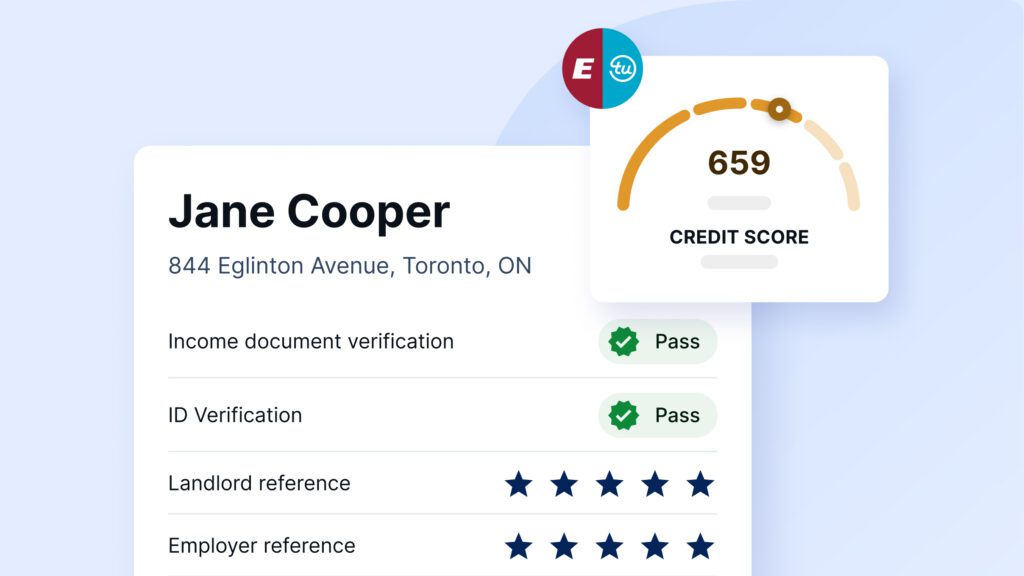
Singlekey’s Tenant Report provides all the details you could ever need to screen a candidate. It’s a cinch to read and free of confusing jargon, so you can quickly determine which applicants to consider and which to ignore. Order a report today to begin screening your latest applicant – it’ll be ready for you in as little as five minutes!