Create a lease for your tenancy, add terms and get it signed online for free
Protect against unpaid rent, damage, and eviction costs
Collect rent automatically via Interac or PAD
Create a lease for your tenancy, add terms and get it signed online for free
Pre-screen applicants before scheduling viewings
Screen tenants, protect rent, and manage your portfolio
Credit, income, background, and eviction checks
Approve more renters and fill vacancies faster
Create, sign, and organize leases across properties with less admin
Screen tenants and protect your clients’ rental income
Credit, income, background, and eviction checks
Protect clients against unpaid rent and damage
Create professional leases quickly with province ready forms and free e-signing
Explore rental market insights, tips, and guides
Download free lease templates for your province
Download free rental application forms
Check if an applicant’s income can cover rent
Understand rental laws in your province

Credit, income, background, and eviction checks
Protect against unpaid rent, damage, and eviction costs
Collect rent automatically via Interac or PAD
Create a lease for your tenancy, add terms and get it signed online for free
Pre-screen applicants before scheduling viewings
Credit, income, background, and eviction checks
Protect against unpaid rent, damage, and eviction costs
Collect rent automatically via Interac or PAD
Create a lease for your tenancy, add terms and get it signed online for free
Pre-screen applicants before scheduling viewings
Credit, income, background, and eviction checks
Protect against unpaid rent, damage, and eviction costs
Collect rent automatically via Interac or PAD
Create a lease for your tenancy, add terms and get it signed online for free
Pre-screen applicants before scheduling viewings
Credit, income, background, and eviction checks
Protect against unpaid rent, damage, and eviction costs
Collect rent automatically via Interac or PAD
Create a lease for your tenancy, add terms and get it signed online for free
Pre-screen applicants before scheduling viewings
Screen tenants, protect rent, and manage your portfolio
Credit, income, background, and eviction checks
Approve more renters and fill vacancies faster
Create, sign, and organize leases across properties with less admin
Screen tenants, protect rent, and manage your portfolio
Credit, income, background, and eviction checks
Approve more renters and fill vacancies faster
Create, sign, and organize leases across properties with less admin
Screen tenants and protect your clients’ rental income
Credit, income, background, and eviction checks
Protect clients against unpaid rent and damage
Create professional leases quickly with province ready forms and free e-signing
Screen tenants and protect your clients’ rental income
Credit, income, background, and eviction checks
Protect clients against unpaid rent and damage
Create professional leases quickly with province ready forms and free e-signing
A look at Canada’s average renter profile, affordability, and risk trends based SingleKey’s renter data.
Explore rental market insights, tips, and guides
Download free lease templates for your province
Download free rental application forms
Check if an applicant’s income can cover rent
Understand rental laws in your province

A look at Canada’s average renter profile, affordability, and risk trends based SingleKey’s renter data.
Explore rental market insights, tips, and guides
Download free lease templates for your province
Download free rental application forms
Check if an applicant’s income can cover rent
Understand rental laws in your province
Did you know repairing the damage from a frozen pipe can cost you over $5,000? The last thing any rental property owner wants is a hefty bill to fix weather-related damages. This is especially true in places where harsh conditions take a heavy toll on homes.
Before you’re faced with unexpected winter maintenance expenses, explore this step-by-step guide to find out how to winterize a house and how your tenant can help you get the job done.
Winterizing your house requires performing a wide range of tasks that vary in complexity. Ideally, you’ll want to complete some in the fall before the temperature drops, such as turning off exterior faucets. Others you can tackle during the winter, such as topping up attic insulation. In addition, certain types of maintenance will demand your attention only once, while others will be ongoing through winter.
Luckily, you don’t need to take on each task on your own. Depending on your relationship, your tenant can help you prepare for winter. Some examples of jobs you can safely assign to your renter include adjusting the thermostats and changing the batteries in the smoke alarm. They can also help with routine maintenance, such as clearing snow from the sidewalk and driveway. Cooperating with your tenant will make the winterization process smoother and save you time, as you won’t need to visit your rental property multiple times to get things done.
Take some time to plan your maintenance activities so that you can stay organized and on schedule. Ensure you do the following:
Here are the most crucial maintenance tasks to finish before winter arrives and who’s responsible for them.
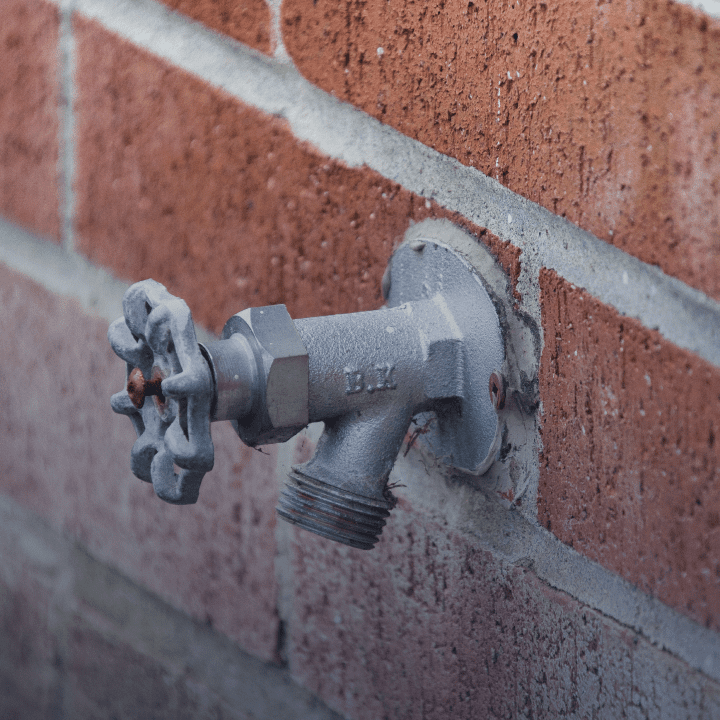
Turn off all exterior faucets and drain excess water from the pipes. Doing so will prevent water from freezing inside, which can cause the pipes to burst and flood the home. The landlord is responsible for performing this task.
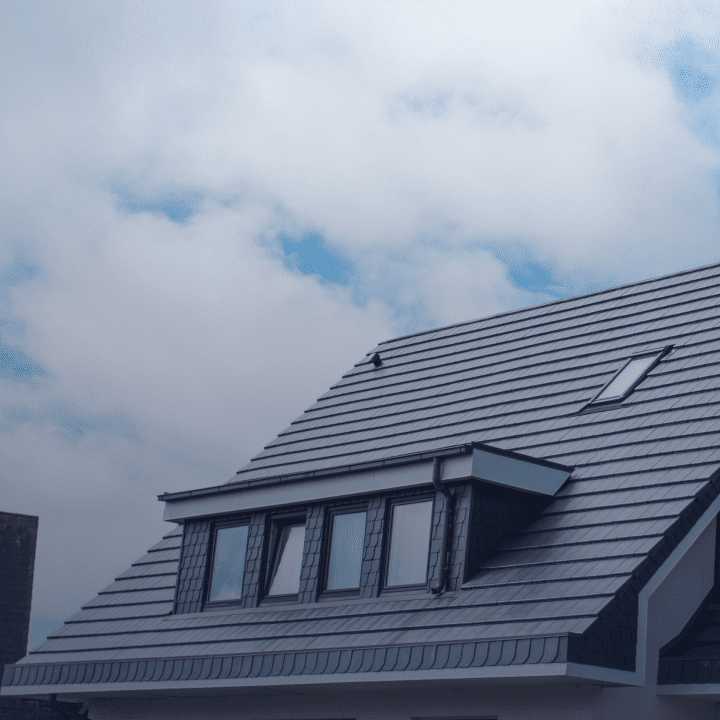
Check the roof for damaged or missing shingles and make any necessary replacements. An intact roof will help prevent water damage from melted snow. The landlord assumes responsibility for this task.
Clear the gutters and eavestroughs of leaves, twigs, and other debris so water can flow freely and collect on the ground away from the property. Doing so prevents ice dams from building up along the roof and moisture from harming the home’s foundation. The landlord is responsible for this task.
Disconnect all garden hoses, drain the excess water, and store them in a dry place. Doing so ensures water doesn’t remain trapped inside, which can freeze and rupture the spigot or hose, resulting in flooding. Typically, the landlord carries out this task.
Remove soil and water from flower pots and store them in a cool, dry place like a garden shed. Frigid temperatures may cause the pots to crack or become brittle, especially if any leftover water freezes.
Cover up bushes, shrubs, and similar plants with burlap, bed sheets, or canvas cloth. This helps to prevent damage to the plants from freezing moisture.
The tenant can carry out both tasks, but the landlord can help if needed.
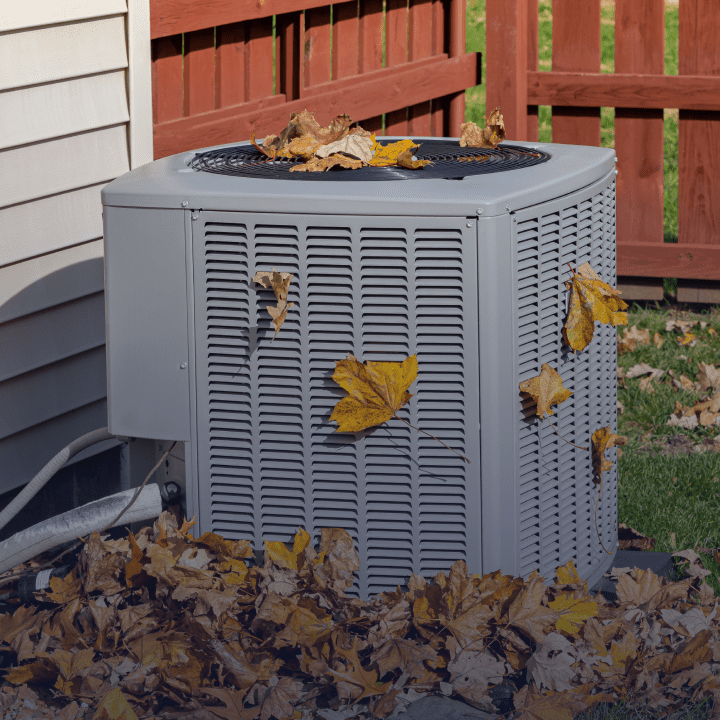
Disconnecting power to the air conditioning unit prevents water build-up should it become active during warmer days. Once the water freezes, it can cause damage to the internal components. The landlord is responsible for performing this task.
Inspect the chimney and clear it of any obstructions if necessary. Over time, creosote (a combination of tar and soot) accumulates on the inside, which can cause smoke to flow back into the home and possibly spark a fire. The landlord is accountable for this task.
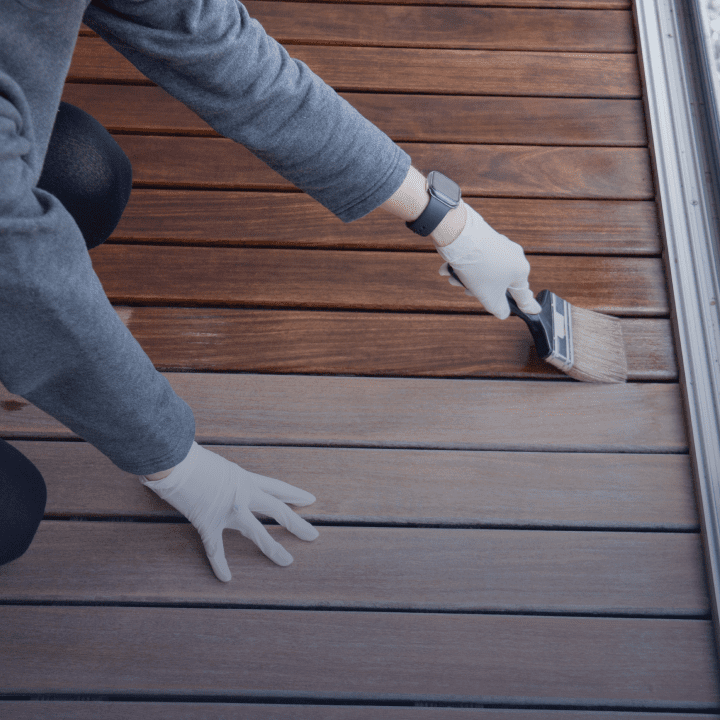
Check the wooden deck or porch for tattered spots and patch them up using a stain/sealer product. A combination of sealing and staining will ward off water damage and reduce color fading. The landlord is responsible for carrying out this task.
Apply caulking or weather stripping to any large holes and cracks around windows and doors. This will prevent cold air from creeping in, keeping the home warm and energy costs low. The landlord is responsible for performing this task.
Below are maintenance tasks you can perform during winter, some of which you can ask your tenant to complete.
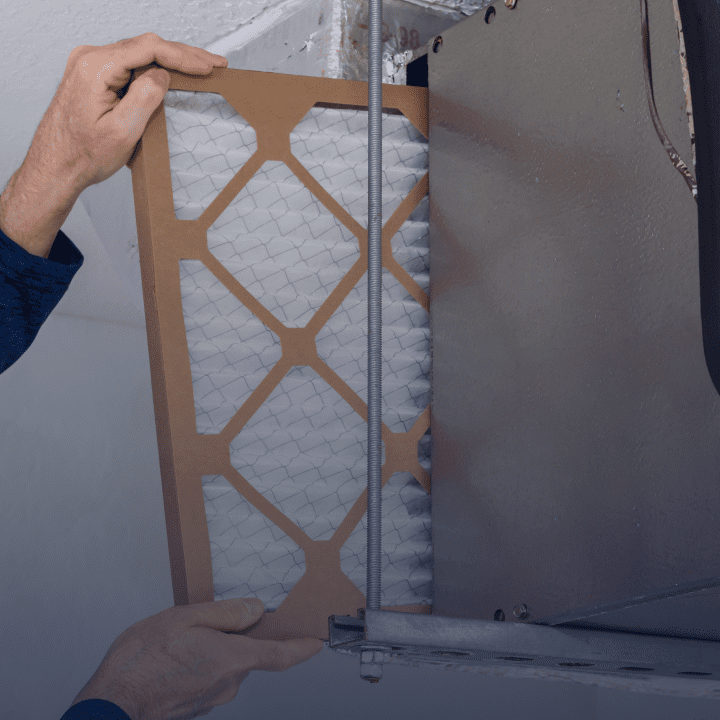
Inspect the furnace filter monthly and replace it as needed. Doing so ensures the furnace runs smoothly and keeps the home free of dust and dirt. The landlord is responsible for performing this task.
Perform regular maintenance of the HVAC unit to ensure it’s operating efficiently. Neglecting this routine can result in inflated energy bills, costly repairs, decreased air quality, and uneven warm air distribution throughout the home. The landlord is responsible for performing this task.
Inspect the attic vents and clear them of excessive dust and debris. Doing so ensures moisture can exit the attic freely rather than get trapped, creating a perfect environment for mold and mildew.
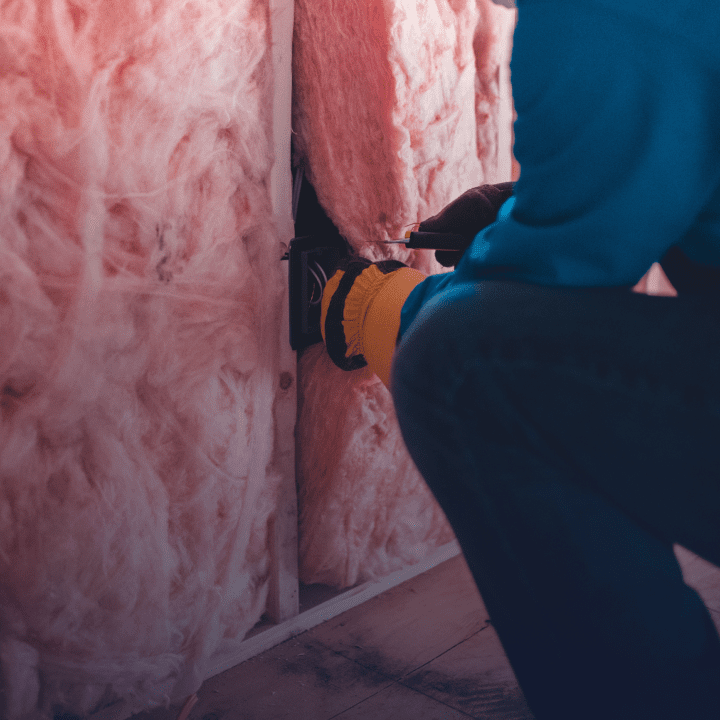
Also, assess the state of the attic insulation and top it up if necessary. If the attic lacks sufficient insulation, too much heat will escape, which can cause thick ice dams to form. The result is a higher energy bill and possible mold growth.
It’s the landlord’s responsibility to perform both of these tasks.
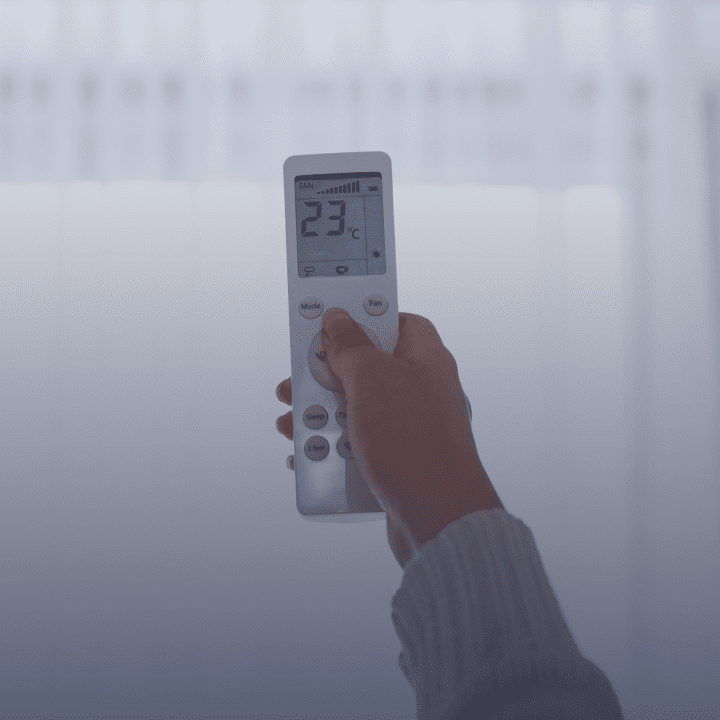
Set the home’s thermostat to a temperature suitable for winter. This helps save on heating costs, as the HVAC unit will work to ensure the property is never too warm or too cool.
Also, inspect the hot water tank’s thermostat to ensure it’s set to an appropriate temperature (anywhere from 54°–60°F is fine). The household won’t be able to access enough hot water if it remains too low.
The tenant can take charge of these tasks.
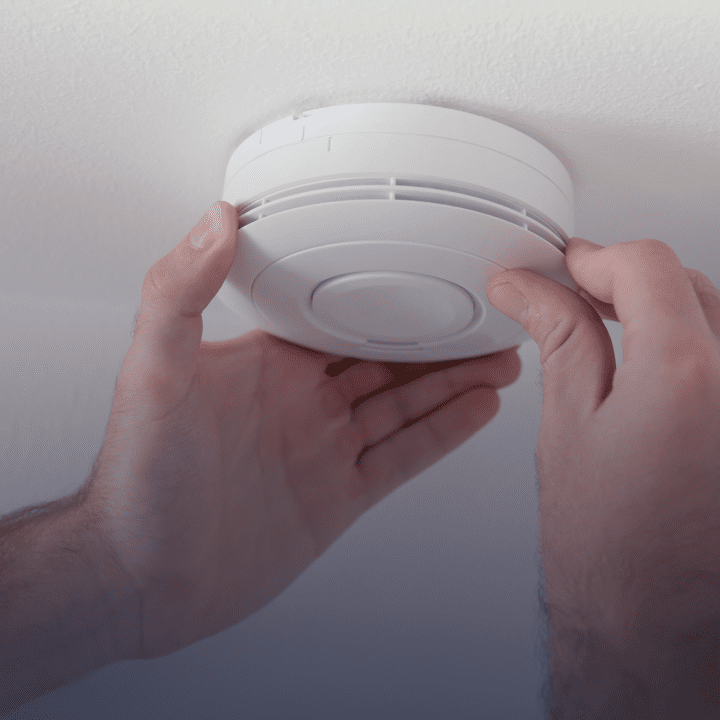
Ensure all smoke and carbon monoxide alarms are working correctly; replace the batteries if needed. Faulty alarms pose a critical safety risk, as they may fail to alert the occupants of a fire or carbon monoxide leak. Either the landlord or tenant can carry out this task.
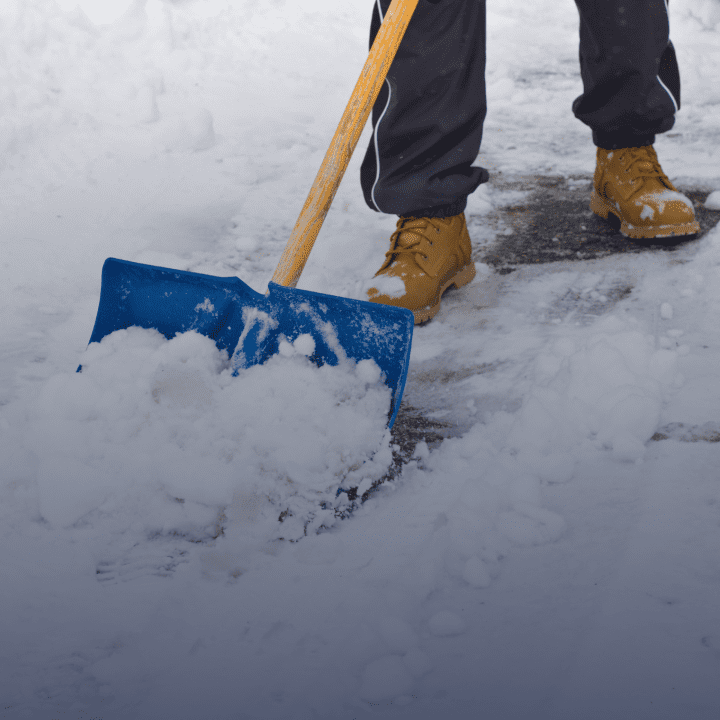
Removing snow from walkways, stairways, and driveways helps prevent injuries from falls. It also reduces the chance of melted snow seeping into the home’s foundation, which can result in costly damage over time. It’s also important to periodically spread sand or salt on these surfaces to make them safer. Usually, the tenant is responsible for these tasks.
Knowing how to winterize your home is vital, given the potential for damage from the year’s most hostile season. As with any form of rental maintenance, notify your tenant of the upcoming inspection and repair work ahead of time, and prepare a list of items you need to check so you don’t forget anything.
As the landlord, it’s primarily your responsibility to winterize your home, but your tenant can assist to make the job easier. Delegating simple maintenance tasks to them is perfectly fine, but always consult with your tenants first to ensure they’re comfortable taking responsibility and can perform the tasks safely and efficiently.
Keep in mind that maintenance is a routine part of managing a rental property. Learn more about how to handle maintenance issues in your rental without hurting your bottom line.