Create a lease for your tenancy, add terms and get it signed online for free
Protect against unpaid rent, damage, and eviction costs
Collect rent automatically via Interac or PAD
Create a lease for your tenancy, add terms and get it signed online for free
Pre-screen applicants before scheduling viewings
Screen tenants, protect rent, and manage your portfolio
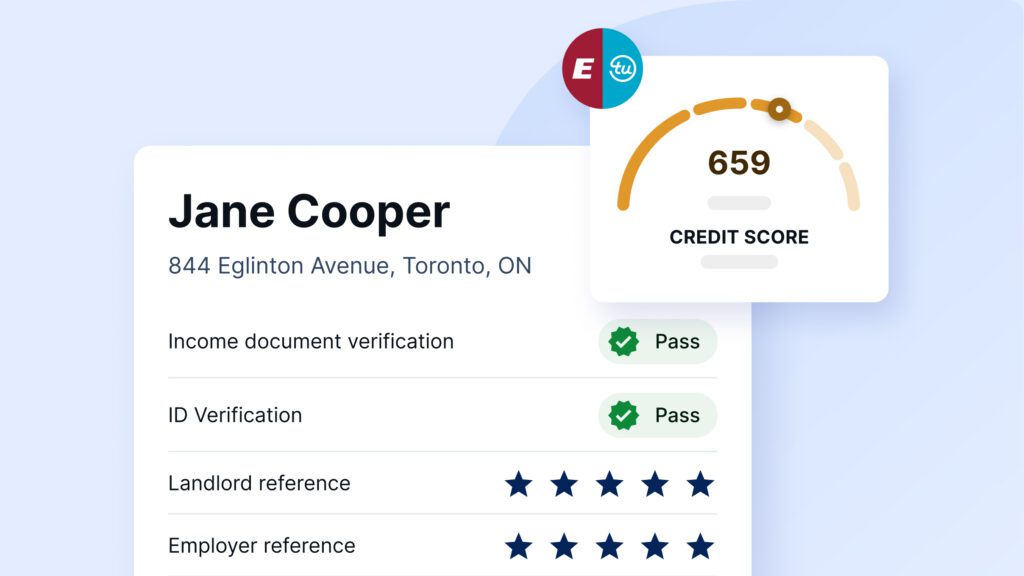
Credit, income, background, and eviction checks
Approve more renters and fill vacancies faster
Create, sign, and organize leases across properties with less admin
Screen tenants and protect your clients’ rental income
Credit, income, background, and eviction checks
Protect clients against unpaid rent and damage
Create professional leases quickly with province ready forms and free e-signing
Explore rental market insights, tips, and guides
Download free lease templates for your province
Download free rental application forms
Check if an applicant’s income can cover rent
Understand rental laws in your province
Credit, income, background, and eviction checks
Protect against unpaid rent, damage, and eviction costs
Collect rent automatically via Interac or PAD
Create a lease for your tenancy, add terms and get it signed online for free
Pre-screen applicants before scheduling viewings
Credit, income, background, and eviction checks
Protect against unpaid rent, damage, and eviction costs
Collect rent automatically via Interac or PAD
Create a lease for your tenancy, add terms and get it signed online for free
Pre-screen applicants before scheduling viewings
Credit, income, background, and eviction checks
Protect against unpaid rent, damage, and eviction costs
Collect rent automatically via Interac or PAD
Create a lease for your tenancy, add terms and get it signed online for free
Pre-screen applicants before scheduling viewings
Credit, income, background, and eviction checks
Protect against unpaid rent, damage, and eviction costs
Collect rent automatically via Interac or PAD
Create a lease for your tenancy, add terms and get it signed online for free
Pre-screen applicants before scheduling viewings
Screen tenants, protect rent, and manage your portfolio
Credit, income, background, and eviction checks
Approve more renters and fill vacancies faster
Create, sign, and organize leases across properties with less admin
Screen tenants, protect rent, and manage your portfolio
Credit, income, background, and eviction checks
Approve more renters and fill vacancies faster
Create, sign, and organize leases across properties with less admin
Screen tenants and protect your clients’ rental income
Credit, income, background, and eviction checks
Protect clients against unpaid rent and damage
Create professional leases quickly with province ready forms and free e-signing
Screen tenants and protect your clients’ rental income
Credit, income, background, and eviction checks
Protect clients against unpaid rent and damage
Create professional leases quickly with province ready forms and free e-signing
A look at Canada’s average renter profile, affordability, and risk trends based SingleKey’s renter data.
Explore rental market insights, tips, and guides
Download free lease templates for your province
Download free rental application forms
Check if an applicant’s income can cover rent
Understand rental laws in your province
SingleKey surveyed tenants to see who they thought should be responsible for providing maintenance equipment, and most of the responses pointed to landlords.
Before allowing prospective tenants to visit your rental property, knowing which maintenance responsibilities you will cover is the best solution to managing expectations. Learn about defining maintenance duties in the lease terms and improving the efficiency of day-to-day tasks and monthly upkeep to help preserve your rental property.

Over half of tenants concluded that landlords should supply maintenance equipment for rental properties.
There is no concrete right or wrong answer on who supplies the rental property with maintenance supplies. Depending on where the rental property is, some home maintenance responsibilities may fall on the landlord.
While landlords must provide a rental with safe and sanitary conditions, heating, and hot water, typically, they are not obligated to supply maintenance equipment to tenants. A landlord could make a nice gesture by offering the following maintenance equipment for a rental property:
If the tenant is inexperienced with using relatively complex tools, they could cause more damage in their attempt to make repairs.
When your renter is adept at making minor repairs, preemptively ask them to notify you of any maintenance or improvements they volunteer to do so you can approve and create documentation. You can also include written instructions so that renters know that they must get approval to make repairs in the lease terms. The cost of repair can become pricey, so it’s essential to assess what type of work is needed and decide if your tenant can see it through.
If you’re managing a residential rental, there is routine maintenance to consider, including:
Gutter cleaning entails climbing a ladder, which is a liability. Most gutters only need cleaning once or twice annually. Typically, it is the landlord’s job to hire a gutter cleaning service.
Many places regulate landlords by law to provide residential tenants with a home that has clean, sanitary, and safe conditions, and this involves the removal of all types of pests, including bed bugs and termites. Pest control is the landlord’s job.
Plumbing repairs can be significant, and because the property manager acts as the home steward for all rentals, it’s their job to schedule repairs to assure the property owner that their house is looked after. The landlord should make repairs if there is a leak or water damage. If the sink or toilet has a minor clog that the tenant can resolve with a plunger, that job can be the tenant’s responsibility. While the landlord is not obligated to supply a plunger to the home, it is usually a courtesy to do so.
If you manage a home where the tenant has exclusive access to the yard, usually, it is the landlord’s responsibility to hire a lawn care service. In some neighborhoods, a municipal code could require the property owner to maintain their lawn.
If you’re managing a home where the local jurisdiction enforces lawn upkeep, it’s wise to manage it yourself. When municipal codes do not bind the residential tenants and landlords, it is acceptable to strike up a deal with the tenant that they will be responsible for lawn care.
Ideally, you should include all the agreed-upon maintenance responsibilities in the rental agreement to establish clear communication between you and your potential tenants.
A good property manager is more than a tenant and homeowner liaison. Property managers oversee the rental marketing, showings, tenant screening, application approval, and placement of tenants. They collect the security deposit, conduct the move-in inspection jointly with the tenant, and ensure the property is in working order.
During the inspections, the property manager and tenant document normal wear or property damage that needs attention. Before the rental agreement is signed, you must ensure the prospective tenant understands the lease agreement and what their responsibilities entail.
As a property manager, you will collect rent money and manage the entire rental process, including scheduling and coordinating repairs and some maintenance issues within a reasonable time. Landlords are responsible for any repair costs for the property.
Once the lease agreement is signed, have a checklist of things to do before making the rental available, including:
Every location has different laws concerning responsibilities belonging to the landlord or the tenant. Effective preventative maintenance planning before the tenant moves in will help landlords save money in the long run before maintenance issues become more serious.
You must outline all of the regular maintenance responsibilities in the tenancy agreement. If you have maintenance equipment available at the property, you can ask the renter if they want to store it at the rental.
Different provinces and municipalities may operate under various regulations. For instance, in Ontario, the landlord is responsible for routine maintenance, which includes keeping the lobby, halls, elevator, laundry room, pool, and parking lot or garage clean and tidy.
Homeowners Association (HOA) rules commonly apply to townhome rental activity in the United States. The purpose of an HOA is to provide services to its community and maintain the community’s vision. The community vision can include everything from the neighborhood’s curb appeal, including the upkeep of lawns, to the house’s exterior paint color.
In most places in Canada and the U.S., the landlords are responsible for seasonal property maintenance.
Typically, the landlord is responsible for maintaining the landscaping if shared by multiple units in the U.S. It’s up to the landlord if they want to state these terms as residential leases. Landlords must keep all rentals in habitable condition.
Other landlord duties include:
Different landlord-tenant laws regulate every province in Canada. In Ontario, the Residential Tenancy Act (RTA) states, “The tenant is responsible for ordinary cleanliness of the rental unit, except to the extent that the tenancy agreement requires the landlord to clean it.”
The property manager is responsible for learning about local laws to ensure they meet all maintenance requirements.
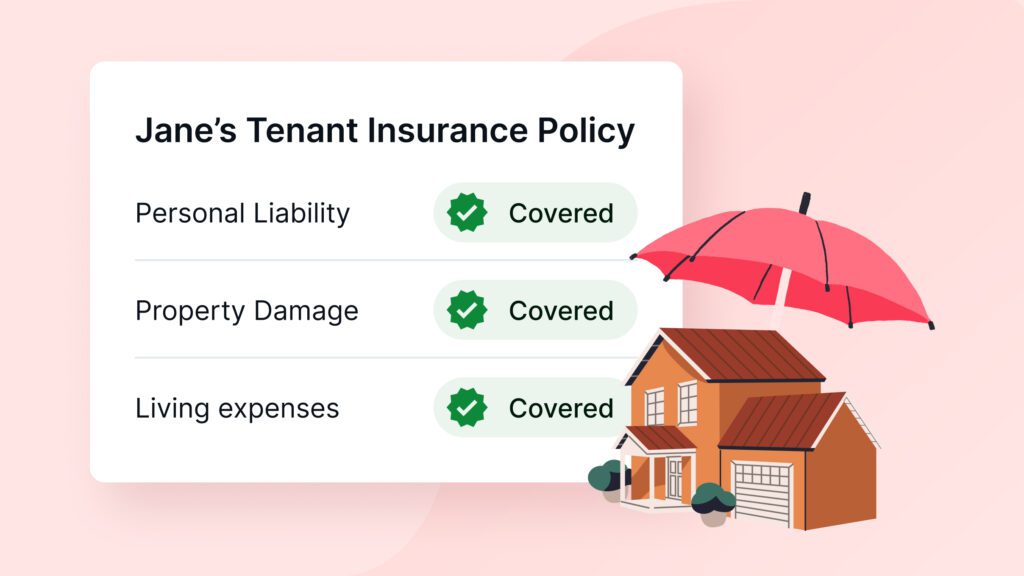
The tenant’s biggest responsibilities are to pay the rent on time, not damage the property, keep the rental in sanitary condition, and abide by the lease terms. If there are any damages to the property caused by the tenant, the landlord can deduct money from their security deposit and list the cost of repairs in an itemized receipt. The landlord is not responsible for the tenant’s personal property. The tenant can opt to get renter’s insurance to protect their personal property in the event of a natural disaster or damage due to vandalism.
One of the first steps in managing a rental is to learn about landlord-tenant laws and build trust with your tenant. Companies like SingleKey can help landlords with this through its tenant screening service and Rent Guarantee Program, which includes all-encompassing eviction services managed by experienced paralegals.