
Credit, income, background, and eviction checks
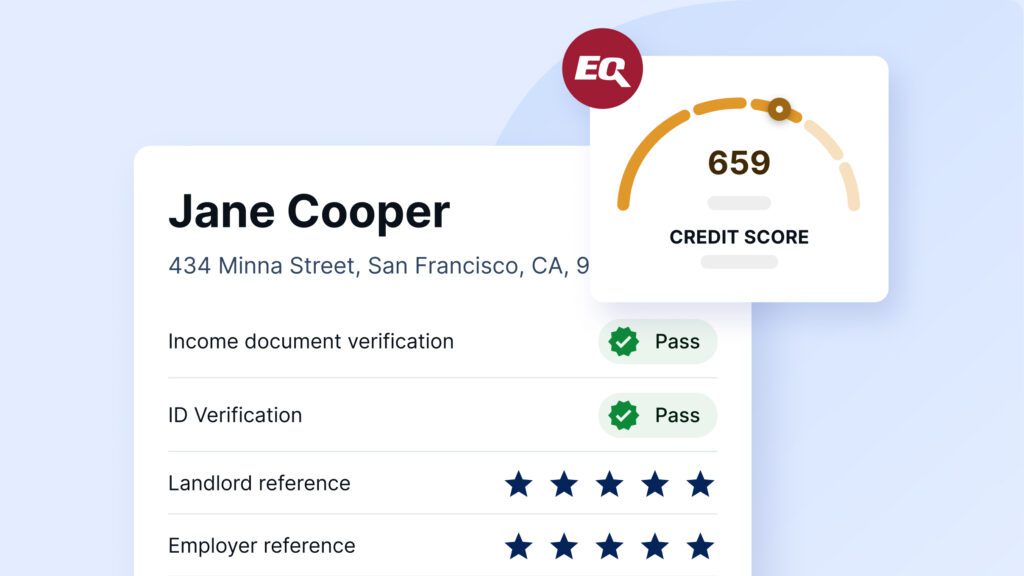
Full credit check by Equifax®, including employment and income information
Landlord and employer reference checks
AI-powered tool that scans your applicant’s income documents for tampering or fraud
Protect against unpaid rent, damage, and eviction costs
See what customers say about Rent Guarantee
Screen tenants, protect rent, and manage your portfolio
Credit, income, background, and eviction checks
Approve more renters and fill vacancies faster
Screen tenants and protect your clients’ rental income
Credit, income, background, and eviction checks
Protect clients against unpaid rent and damage
Full credit check by Equifax®, including employment and income information
Landlord and employer reference checks
AI-powered tool that scans your applicant’s income documents for tampering or fraud
Verify the legitimacy of your applicant’s ID
Qualify tenant inquiries before viewings
Full credit check by Equifax®, including employment and income information
Landlord and employer reference checks
AI-powered tool that scans your applicant’s income documents for tampering or fraud
Verify the legitimacy of your applicant’s ID
Qualify tenant inquiries before viewings
Protect against unpaid rent, damage, and eviction costs
See what customers say about Rent Guarantee
In the sunny state of Florida, rent regulations are absent, but emerging laws could alter notice requirements for landlords. Keep reading to learn how to adjust rental rates while keeping tenants satisfied.
The state of Florida currently lacks rent control regulations that place limits on rent hikes. This means that a landlord can raise the rent to any amount and does not have to give notice to their tenants. In a significant new development this year, the proposed bills HB 1417 and SB 1586 would require landlords give advance notice to their residents before raising rents.
Another way this act will reshape Florida rental laws is by prohibiting landlords from ending a month-to-month lease period without giving the tenant 30 days’ notice of termination. Landlords should stay current with new rental laws following the conclusion of each legislative season.
Extending a 30-day notice before adjusting rental rates is considered good tenancy etiquette and standard practice. Before the lease term expires, plan ahead and follow these steps to raise rents in Florida efficiently.
Ensure that your rent covers your mortgage and property taxes. If the current rent covers the previously mentioned expenses, assess your actual maintenance and repair budget from the previous year. If affected, consider your cash flow and anticipated costs.
Think about the market trends as you enter the new lease term. A surge in housing demand and a decrease in inventory can potentially elevate rates or push the economy into a precarious state.
What are the rental prices for other nearby 12-month leases with similar amenities? Whether you are overseeing a fixed, month-to-month, or week-by-week lease, it is essential to do research to arrive at a fair rate.
After determining your rental price, draft the required documents in writing. Hyperlink your rent increase notice. The decision to provide a brief explanation for the rent hike is at the landlord’s discretion.
To facilitate effective communication with your current tenants, provide at minimum a 30-day notice in writing, notifying them of the rent hike.
Florida, a subtropical haven, has experienced a net increase in population over the past few years. The absence of rent regulations and significant annual rent increases since 2020 have made it challenging for many locals to secure affordable housing, leading to an uptick in landlord-tenant disputes in the state.
As a landlord, your primary objectives are to maintain a steady rental income, ensure tenant satisfaction, and prevent disputes. Listening to tenant concerns can help mitigate various issues. To ease the blow of rental increases, clearly communicate to tenants that economic factors and market rates are influencing the adjustment. If you’ve undertaken significant property repairs or plan to invest in new appliances, these are valid reasons to justify a higher rent.
If your tenant is facing challenges paying rent amid a housing crisis or you require assistance navigating the rental process, consider exploring various resources before resorting to legal advice. Here are some helpful sources for addressing rental-related issues:
In the Sunshine State, there are no restrictions on how much a landlord can raise rent payments on their rental property. While there are no statewide rent control laws, many cities, particularly in South Florida, are seeking to instate rent regulations.
The “Keep Floridians Housed Act” is a legislative initiative aimed at fostering affordable housing options and stability concerns in Florida. The main goal is to prevent landlords from expelling tenants who are victims of domestic violence, including dating violence or stalking.
There are no security deposit or rent increase limits in Florida. In 2023, Florida Governor Ron DeSantis approved monthly fees in lieu of a security deposit as an option for tenants. This law allows tenants who can’t come up with a security deposit to pay a small monthly fee instead. The monthly fee is non-refundable and does not apply to property damage.
Ideally, tenants should opt for security deposits because they will get a full refund, and if there is accidental property damage, it gets withdrawn from the security deposit.
In response to Florida’s absence of rent control, lawmakers are taking action in 2024. If these bills are passed, they will take effect by summertime, implementing changes that include requiring landlords to give notice of rent increases.
For landlords seeking ideal tenants, explore SingleKey’s Tenant Screening process to make educated decisions. Tenant screening helps verify if prospective tenants are financially reliable and offers peace of mind for landlords.