
Credit, income, background, and eviction checks
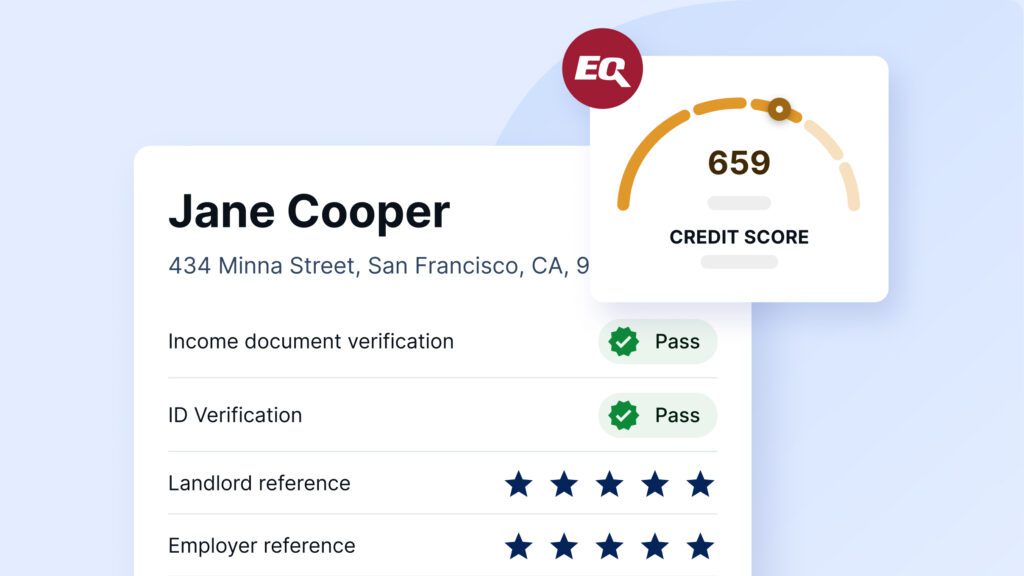
Full credit check by Equifax®, including employment and income information
Landlord and employer reference checks
AI-powered tool that scans your applicant’s income documents for tampering or fraud
Protect against unpaid rent, damage, and eviction costs
See what customers say about Rent Guarantee
Screen tenants, protect rent, and manage your portfolio
Credit, income, background, and eviction checks
Approve more renters and fill vacancies faster
Screen tenants and protect your clients’ rental income
Credit, income, background, and eviction checks
Protect clients against unpaid rent and damage
Full credit check by Equifax®, including employment and income information
Landlord and employer reference checks
AI-powered tool that scans your applicant’s income documents for tampering or fraud
Verify the legitimacy of your applicant’s ID
Qualify tenant inquiries before viewings
Full credit check by Equifax®, including employment and income information
Landlord and employer reference checks
AI-powered tool that scans your applicant’s income documents for tampering or fraud
Verify the legitimacy of your applicant’s ID
Qualify tenant inquiries before viewings
Protect against unpaid rent, damage, and eviction costs
See what customers say about Rent Guarantee
Whether tourists visit Acadia National Park in Bar Harbor or experience the charm of a small seaside town like Portland, Maine is an idyllic destination for owning a vacation property.
Learn how to capitalize on optimal tax benefits while staying in compliance with federal and local laws.
Short-term rentals typically refer to temporary lodging or vacation dwellings occupied for fewer than 28 days. All property owners must collect and remit a 9% lodging tax in Maine.
It’s essential to adhere to the Maine Revenue Services regulations for STRs by registering to collect sales tax on rentals.
The United States tax year generally starts on January 1 and ends on December 31, with individual tax returns due on April 15 each year. Your rental income is taxable income.
Anyone leasing their short-term rental properties on Airbnb or VRBO for more than 14 days earns a taxable income and must report earnings.
Vacation property owners may be exempt from sales tax on their STR if their living quarters serve as primary residences or are rented for employment or educational purposes. Other exemptions are leasing a property for fewer than 15 days for each calendar year.
When you earn a rental income from a property, you can offset some of that income by deducting certain expenses. These expenses span mortgage interest, real estate taxes, maintenance, utilities, and insurance. You may also qualify for depreciation deductions.
Use the Schedule E Form 1040 or the Form 1040-SR—the U.S. tax return for seniors 65 and older to report earnings.
Follow these steps, which break down the process for reporting rental income with a Schedule E 1040 Form.
Staying organized is essential if you want to streamline the reporting process. Prepare a list of itemized deductions to include on the 1040 Form.
Keep copies of your receipts for all expenses associated with your rental activities.
Whether you are earning a passive income renting your investment property or are knee-deep in performing property management duties, you must report your rental income. Determining whether your business earnings are active or passive will help you formulate an itemized deduction list.
A passive income is earned through minimal work while leasing investment properties. Anyone routinely providing guest services is considered to be running a business.
If you rent your vacation property through Airbnb, you need to submit a W-9 form to Airbnb. If you don’t, the company is legally obligated to withhold 28% of your rental income for taxes throughout the entire tax year. However, in most cases, your actual tax liability on rental income will be less than 28%.
Once you submit a W-9 form to Airbnb, report your earnings and deductible expenses on your 1040 Form.
Homeowners can deduct expenses, including some depreciation deductions, mortgage interest rates, and other applicable rental expenses. Ideally, speaking to a tax professional will help you broadly identify and capitalize on all tax benefits. Here is a list of deductions you may qualify for if you earn a passive income or oversee all rental operations:
Maine residents may receive a refund on property tax or rent payments through the Property Tax Fairness Credit program, even if they owe no income tax.
Leasing a short-term rental can be profitable, especially when you capitalize on tax deductions. If you’re unsure whether you’re ready to take on the responsibility of managing a long-term rental or if you prefer the flexibility of leasing for shorter periods, review our guide to learn what’s right for you.