
Credit, income, background, and eviction checks
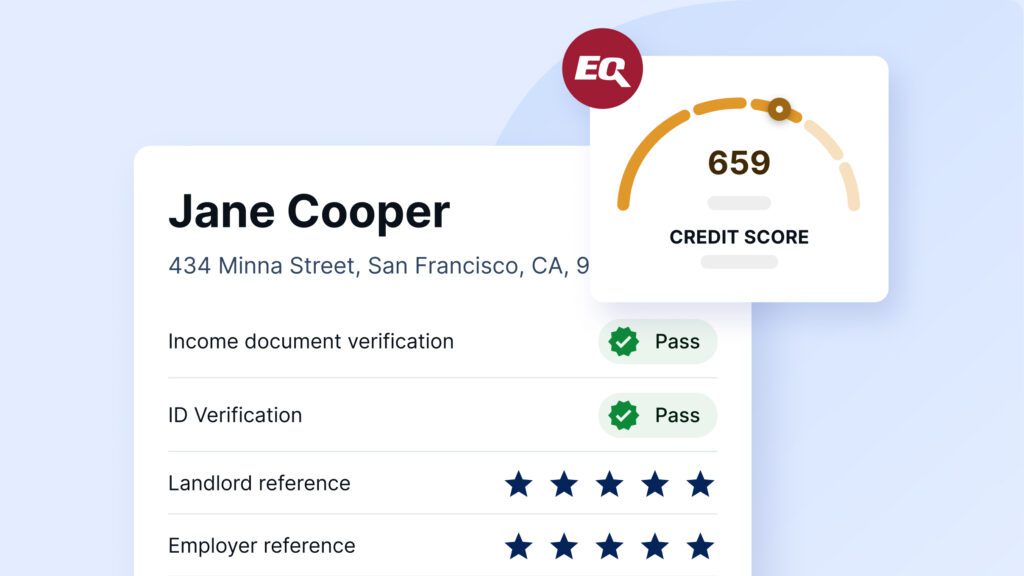
Full credit check by Equifax®, including employment and income information
Landlord and employer reference checks
AI-powered tool that scans your applicant’s income documents for tampering or fraud
Protect against unpaid rent, damage, and eviction costs
See what customers say about Rent Guarantee
Screen tenants, protect rent, and manage your portfolio
Credit, income, background, and eviction checks
Approve more renters and fill vacancies faster
Screen tenants and protect your clients’ rental income
Credit, income, background, and eviction checks
Protect clients against unpaid rent and damage
Full credit check by Equifax®, including employment and income information
Landlord and employer reference checks
AI-powered tool that scans your applicant’s income documents for tampering or fraud
Verify the legitimacy of your applicant’s ID
Qualify tenant inquiries before viewings
Full credit check by Equifax®, including employment and income information
Landlord and employer reference checks
AI-powered tool that scans your applicant’s income documents for tampering or fraud
Verify the legitimacy of your applicant’s ID
Qualify tenant inquiries before viewings
Protect against unpaid rent, damage, and eviction costs
See what customers say about Rent Guarantee
Many lawmakers in Nevada advocated for rent reforms that would ease the financial strains on tenants facing excessive rent hikes without annual limits on rent increases. Presently, Nevada has no rent increase restrictions.
Last year, Senate Bill 426, which aimed to limit landlords from raising rent during the first year of a lease term and cap annual increases at 5%, was rejected.
There are no new laws in Nevada governing rent increases on residential properties in 2025. However, it’s expected that lawmakers and tenant advocates will continue to press for reforms surrounding rent control. Landlords who own rental properties in Nevada should stay informed about potential future changes to ensure they’re in full compliance with rental regulations.
If you are considering becoming a landlord in Nevada, you may increase rent to a reasonable rate, but you must give tenants advance notice in writing.
Here is a breakdown of how to adjust your rent:
Begin by assessing the new rental price based on existing rental market conditions and your financial considerations, including property taxes, the regular maintenance and repair budget, and your goal profit gains. What is the cost-of-living increase during inflation? What are the rental rates in your neighborhood? Answering these questions will help you arrive at an informed decision when deciding how much to raise the rent on tenants.
Once you’ve nailed down a reasonable rent price, organize the necessary documents for a rent adjustment, including any required forms. Hyperlink relevant forms to simplify the process.
Even before your lease has expired, you’re obliged to give tenants proper notice—30 days’ notice before applying an increase in rent for weekly rentals and 60 days’ notice for a long-term rental agreement.
Resolving disputes in the renting process can be complex. You can access valuable guidance by following these steps to help you through the lease renewal process and drafting a lease agreement. Here are helpful sources that will guide you through the landlord-tenant laws:
Tenant screening is essential in attracting and approving good tenants at your rental property. With a comprehensive Tenant Report, discover how financially reliable a prospective tenant is through credit reports, an online record search, income verification, and previous rental history. Screening tenants will help you minimize tenant disputes when it’s time to increase the rent for the new lease term.
The Nevada landlord-tenant law does not impose restrictions on rent increases. To maintain a positive landlord-tenant relationship, landlords should consider reasonable rent prices when adjusting the rental rate. Landlords can’t raise the rent in retaliation. Raising the rent in retaliation refers to an event when a landlord raises the rent because the tenant submits a violation complaint, including health and safety concerns. Retaliatory conduct against tenants is prohibited in Nevada.
Landlords can’t charge more than three months’ rent for a deposit. All security deposits are refundable at the end of the fixed-term lease if there is no property damage or remaining rent payments.
If it’s a long-term lease that spans at least one month, landlords must provide tenants with a 60-day written notice. For periodic leases that operate week to week, landlords must give an official rent increase notice 30 days in advance. The notification can be separate from the new lease agreement.
Rent stabilization laws help keep rental prices from rising too high and are usually implemented during rising rent-hike trends or when certain market conditions, like a housing crisis, warrant reforms. When prices soar above the average rent, it’s usually a result of an increased cost of living or a lack of state and local rent regulations. As a landlord, you should know your legal rights and stay up-to-date with local rent control policies.
As a landlord in Nevada, your priorities are to retain good tenants by providing affordable housing and maximizing your return on investment. Landlords should get the most value and profit from their investment without rent price gouging when raising the rent.
Learn more about the legal obligations of landlords residing in Nevada and get all of the essential documents every landlord needs, from inspection forms to notice for rent increase forms.