
Credit, income, background, and eviction checks
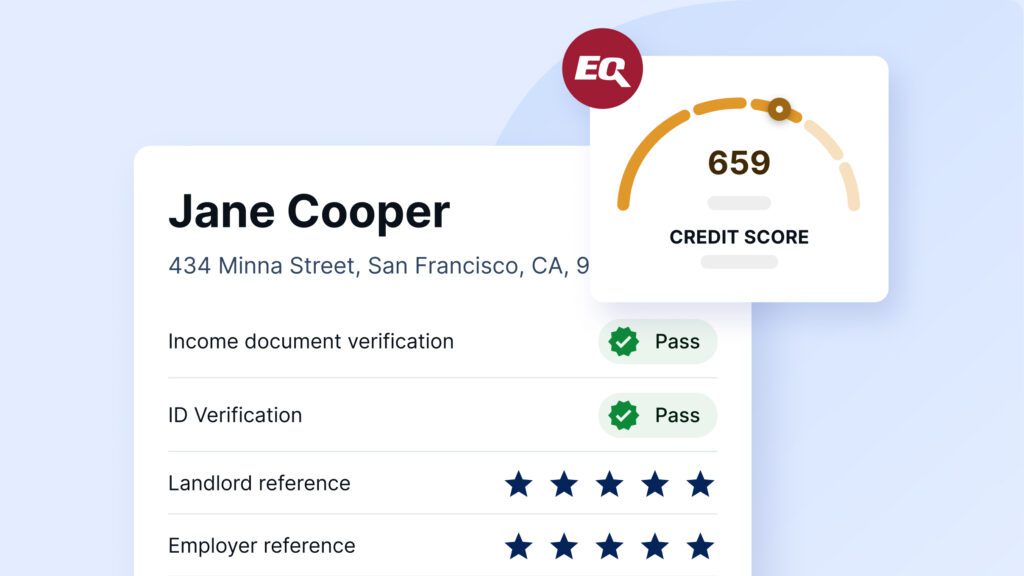
Full credit check by Equifax®, including employment and income information
Landlord and employer reference checks
AI-powered tool that scans your applicant’s income documents for tampering or fraud
Protect against unpaid rent, damage, and eviction costs
See what customers say about Rent Guarantee
Screen tenants, protect rent, and manage your portfolio
Credit, income, background, and eviction checks
Approve more renters and fill vacancies faster
Screen tenants and protect your clients’ rental income
Credit, income, background, and eviction checks
Protect clients against unpaid rent and damage
Full credit check by Equifax®, including employment and income information
Landlord and employer reference checks
AI-powered tool that scans your applicant’s income documents for tampering or fraud
Verify the legitimacy of your applicant’s ID
Qualify tenant inquiries before viewings
Full credit check by Equifax®, including employment and income information
Landlord and employer reference checks
AI-powered tool that scans your applicant’s income documents for tampering or fraud
Verify the legitimacy of your applicant’s ID
Qualify tenant inquiries before viewings
Protect against unpaid rent, damage, and eviction costs
See what customers say about Rent Guarantee
The conditions of the economy often influence rent regulations. When the economy is growing, there are rises in rent. During economic challenges, every city may adopt laws that strive to achieve a balance aiding tenants and landlords.
In this guide, we’ll dive into the ever-evolving landscape of rent laws in New York.
In 2025, the NYC Rent Guidelines Board established guidelines for rent-stabilized leases up for renewal between October 1, 2024 and September 30, 2025. With the new rent control laws, a landlord can raise the rent a maximum of 2.75% for a one-year lease and 5.25% for a two-lease.
In New York, non-stabilized leases mean landlords can raise rent without limits. If it’s a 5% or more hike though, tenants must have a heads-up through a written notice. Beyond rent, there are numerous tenant-related reforms.
Statewide rent laws in New York cap the security deposit up to one month of rent. For example, if the rent is $2,000 monthly, the landlord can charge up to $2,000 for the security deposit.
Follow these simple steps to implement rent increases.
Before establishing your new rent price, research your local rent increase laws and consider how much you can afford each month without stretching your budget. By looking at the market conditions and how much money you have coming in (cash flow), you can arrive at a more informed decision on setting a new rental price that is fair to the tenant and will ensure all rental-related costs are covered.
Typically, landlords are allowed to implement annual rent increases for all housing except rent-stabilized apartments.
Write a clear notice to your tenant stating the new rental increase for the renewed lease term. The notice can be delivered by email with a link or in written form.
While there is no limit on rent increases in homes or units that don’t fall under rent-stabilized housing, landlords must still give tenants notices.
These steps apply to periodic and fixed-term rental agreements.
If you encounter any rent control-related hiccups, seek guidance from legal professionals specializing in real estate law with a focus on rent-stabilized apartments. For any other rent-related issues, here is a list of sources to help you navigate the twists and turns of increases in rent:
Tenants have 14 days to pay their rent before landlords can take action. New York State has no rent adjustment limit on non-rent-stabilized units as long as landlords provide sufficient notice according to the lease term.
Landlords cannot evict tenants in New York State without “good cause.” The Good Cause Eviction Law, implemented in April 2024, ensures tenants can be evicted only for legitimate reasons. Some examples of just causes for eviction include non-payment of rent and causing significant damage to the property.
In addition, landlords must follow specific procedures before filing an eviction request, such as providing tenants with at least 14 days’ notice of overdue rent. They also cannot use pressure tactics, such as changing locks and removing tenants’ belongings. All evictions require a court order before they can take place.
There is a winter moratorium on evictions act that prohibits evictions during winter months between November through April.
Managing rent increases, maintenance issues, and potential evictions can be a delicate issue. It’s essential to balance economic considerations, your tenants’ well-being, and your return on investment. Learn how SingleKey’s Rent Guarantee Program helps landlords during the eviction action and through tough economic times. With a rent guarantee, landlords are given a financial safety net that reduces stress associated with unforeseen rental income delays.