
Credit, income, background, and eviction checks
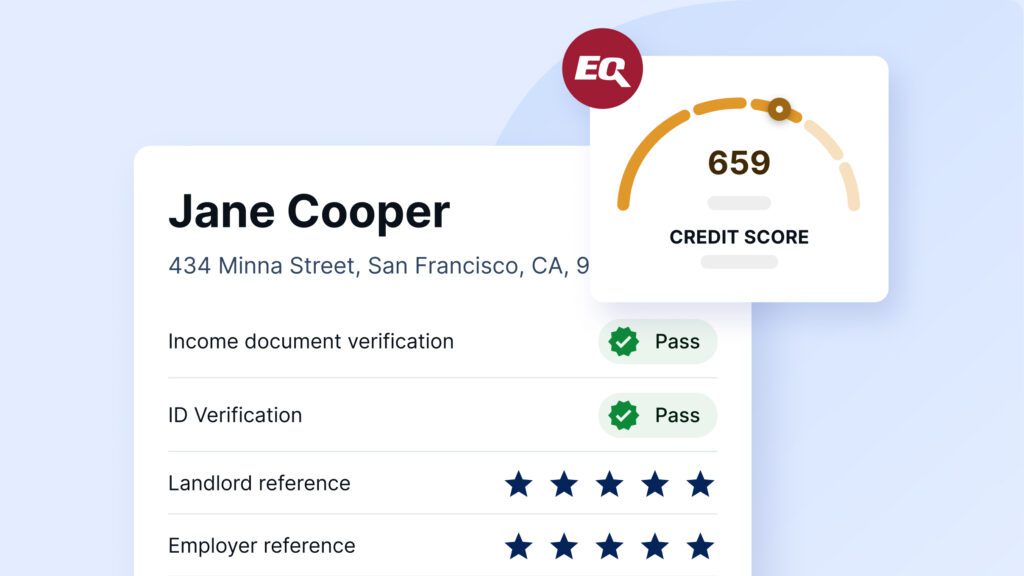
Full credit check by Equifax®, including employment and income information
Landlord and employer reference checks
AI-powered tool that scans your applicant’s income documents for tampering or fraud
Protect against unpaid rent, damage, and eviction costs
See what customers say about Rent Guarantee
Screen tenants, protect rent, and manage your portfolio
Credit, income, background, and eviction checks
Approve more renters and fill vacancies faster
Screen tenants and protect your clients’ rental income
Credit, income, background, and eviction checks
Protect clients against unpaid rent and damage
Full credit check by Equifax®, including employment and income information
Landlord and employer reference checks
AI-powered tool that scans your applicant’s income documents for tampering or fraud
Verify the legitimacy of your applicant’s ID
Qualify tenant inquiries before viewings
Full credit check by Equifax®, including employment and income information
Landlord and employer reference checks
AI-powered tool that scans your applicant’s income documents for tampering or fraud
Verify the legitimacy of your applicant’s ID
Qualify tenant inquiries before viewings
Protect against unpaid rent, damage, and eviction costs
See what customers say about Rent Guarantee
Known for its historic charm and stunning coastline, South Carolina offers a unique blend of southern hospitality and outdoor recreation.
As a STR operator in South Carolina, learn how to capitalize on tax deductions.
A short-term rental in South Carolina refers to the temporary lodging of a residential property for a fee, typically for fewer than 29 consecutive days. This arrangements caters to individuals looking for accommodations for shorter durations and are usually advertised on online marketplaces like Airbnb and VRBO.
The U.S. tax year begins on January 1 and concludes on December 31, with taxpayers required to report their earnings by April 15 each year. Rental income, whether from long-term leases or STRs, is taxable and must be reported accordingly.
The 14-day rule, outlined in the U.S. tax code, governs how rental income from properties used personally by the owner is taxed. If you decide to rent out your property for 14 days or less during the tax year, you’re in luck—you don’t have to report that rental income on your tax return.
This rule is a lifesaver for anyone who does not want to commit to a year-round STR business but wants to earn an extra income during holidays.
When reporting earnings from your vacation rental property, you have two options: You can use either the Schedule E Form 1040 or the Form 1040-SR, tailored for seniors aged 65 and older, to report your taxable income. Here’s a step-by-step guide to reporting your profits.
Ensure you collect all the necessary forms for Schedule E. These documents are vital for accurately reporting your rental income and any related expenses. By having all the essential paperwork, you can simplify the process of reporting your earnings and deductions.
Operating a short-term rental business involves overseeing vacation rental properties and engaging in rental activities similar to property management companies. Responsibilities of property managers and short-term rental operators include:
However, if you have minimal involvement with your rental property, utilize platforms like Airbnb or VRBO, and earn a passive income, this does not qualify as a business endeavor.
When listing your vacation property on Airbnb, promptly provide a W-9 Form. This step is critical. Failure to do so will result in Airbnb withholding 28% of your rental income for taxes throughout the tax year as mandated by law. However, it’s worth noting that your actual tax liability on rental income may be lower than this withholding rate.
Homeowners can claim various deductions, including depreciation allowances, mortgage interest rates, and relevant rental expenses. Here’s a detailed breakdown of potential deductions homeowners may qualify for:
The Homestead Exemption grants homeowners over 65, those who are totally and permanently disabled, or those who are legally blind, a total exemption from taxes on the initial $50,000 fair market value of their legal residence.
In other words, if you fall in any of the previously mentioned categories, you don’t have to pay property taxes on the first $50,000 of your home’s value.
Individuals providing sleeping accommodations for vacation rentals in South Carolina must obtain a license and remit the 7% state sales tax and any local sales tax to the South Carolina Department of Revenue. Additionally, they must pay any applicable local accommodations tax.
For example, in Charleston County the lodging tax is 2%. In Myrtle Beach, the local accommodation tax rates are 3%.
Yes, as long as you earn profits from a rental by leasing your primary residence, home, or rental unit for longer than 14 days, you must report your earnings when income taxes are due.
Your vacation rental property will qualify for tax deductions if you’ve spent money on property management fees or incurred business expenses. You may also get a tax break if your rental business qualifies as an S Corporation. Consult with an accountant to maximize your refund.
Renting out a short-term rental property can be quite lucrative, especially when you take advantage of tax deductions for rental activity and property taxes. If you are unsure if long-term renting is compatible with your work-life balance or if shorter leasing periods are more your speed, read our guide to discover what best suits your situation.