
Credit, income, background, and eviction checks
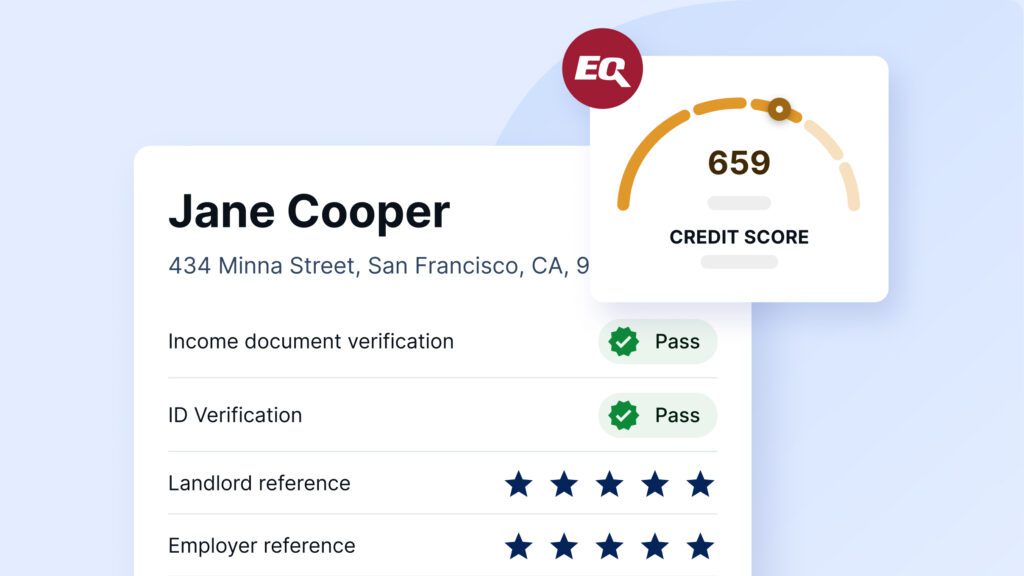
Full credit check by Equifax®, including employment and income information
Landlord and employer reference checks
AI-powered tool that scans your applicant’s income documents for tampering or fraud
Protect against unpaid rent, damage, and eviction costs
See what customers say about Rent Guarantee
Screen tenants, protect rent, and manage your portfolio
Credit, income, background, and eviction checks
Approve more renters and fill vacancies faster
Screen tenants and protect your clients’ rental income
Credit, income, background, and eviction checks
Protect clients against unpaid rent and damage
Full credit check by Equifax®, including employment and income information
Landlord and employer reference checks
AI-powered tool that scans your applicant’s income documents for tampering or fraud
Verify the legitimacy of your applicant’s ID
Qualify tenant inquiries before viewings
Full credit check by Equifax®, including employment and income information
Landlord and employer reference checks
AI-powered tool that scans your applicant’s income documents for tampering or fraud
Verify the legitimacy of your applicant’s ID
Qualify tenant inquiries before viewings
Protect against unpaid rent, damage, and eviction costs
See what customers say about Rent Guarantee
In the Lone Star State, there aren’t rent increase laws on how much a landlord can raise the rent when it’s time to renew a lease. Only a handful of cities can create reforms on rent hikes only if a disaster is declared and the city sees the need for emergency housing.
There are also no restrictions on how much a landlord can charge for a security deposit. In Texas, a landlord must refund the entire deposit when the tenant moves out, granted there is no damage to the property and the tenant is up-to-date with all their rent payments.
To keep those good tenants in your rental properties, and if you need more information on the standard rent uptick or typical security deposit rates, review what neighboring states set as their usual limits.
Learn how to determine your new rental rate, prepare a notice in writing, and give notice to your tenants with these three steps.
Be strategic with setting your new rent price. Consider the rental landscape in your city and state, and review current market trends and your cash flow. Look at the median rental prices. By researching other properties’ rental prices and budgeting for maintenance and repairs, mortgage, and property taxes, you can set goals on what profits you aim to earn.
Think about the surroundings of your rental property. Is it nestled by a university? If so, consider how much monthly rent a college student could afford.
Begin plunging into the paperwork. Streamline the rental increase process by emailing the tenant a hyperlink for the rent increase notice.
Giving the tenant a 30-day notice before applying a rent hike to the lease renewal is customary.
Before you raise the rent, you have to break the news tactfully. The best method is to give your tenant advance notice so you aren’t springing an uptick of rent on them. While Texas has no guidelines on how to inform your tenant of a rent hike, you should continue staying up-to-date with the evolving rules in the rental market. Submitting a notice in writing is the best policy to minimize any disputes.
For disputes in Texas, we recommend either seeking guidance from attorneys with a specialty in property management or referring to online government sources for answers. Laws and sources may change, so it’s essential to stay on top of the rental market laws.
Refer to the following sources for guidance with the rental process:
There are no rent regulation laws in Texas. Landlords can raise the monthly rent without being bound to a statewide law placing a cap on increases. While landlords aren’t required to give tenants a rent increase notice, it’s considered the standard practice and will help maintain a good relationship with your tenant.
Suppose you end a lease because your tenant complained about the rental or services or you raise the rent because your tenant filed a complaint against you. In that case, that is considered retaliatory eviction or action.
Some cities in Texas may create laws limiting rent increases if the state declares a housing crisis or emergency. Landlords should refrain from raising the rent if the tenant has recently filed a complaint concerning the rental unit’s conditions.
When it comes to delivering the news of a rent increase to your tenant, a solid guideline is to provide them with a 30-day heads-up. Elevate the rent to a fair figure, making sure it aligns with your return on investment (ROI) goals.
Follow the link for all essential Texas rental agreements and documents every landlord needs.