How does the Fair Housing Act impact tenant screening laws?
Before a tenant signs a lease agreement, there is a vetting process that each person must go through. From the moment property managers meet prospective tenants, they are bound by tenant screening laws outlined in state and local legislation, as well as the Fair Housing Act.
The Fair Housing Act (FHAct) bans any form of discrimination by housing providers, including landlords, property managers, real estate companies, banks, lending institutions, and homeowners insurance companies.
Under the Fair Housing Act, landlords cannot refuse applicants for any of the following reasons:
It’s critical that all housing providers abide by these rules throughout the tenant verification process to steer clear of legal complications.
When anyone schedules a tour to view a rental property, landlords should be ready for questions regarding the space and neighborhood. The following topics rarely come up organically in conversation, but if they do, preparing is a good idea.
If the person viewing the property is interested in the space, it’s okay for a landlord to ask how many people will be residing in the rental. If they mention that their children would be living in the space, landlords should avoid asking how old their children are, even if they are only trying to engage in friendly conversation.
The Fair Housing Act bans discrimination against families with children under 18. Additionally, it prohibits the denial of housing to families with children. Asking about race, sexual orientation, national origin, or disability is off limits.
Suppose an applicant suspects a property manager is using discriminatory practices that violate the Fair Housing Law. In that case, they can contact the Fair Housing Justice Center to report the landlord for further investigation. If the Fair Housing Justice Center finds the property owner has broken specific tenant screening laws by not treating applicants and tenants equally, a civil action can be filed.
Pre-screening questions landlords can ask
While the official screening starts with the application, the pre-screening process begins when you first list your property. Here are common questions that landlords ask tenants during the pre-screening process if the opportunity arises.
- When are you looking to move in?
- What is your preferred lease term?
- How many people will be living with you?
- What is your current address?
- How long have you been at this address?
- Have you given your current landlord proper notice?
- What is your reason for moving?
- How soon can you move in?
- Do you have any pets? If so, what type and how many?
- Are you employed? Can you list your current employment?
- Is your work full-time, part-time, or seasonal?
- Will paying the first month’s rent be an issue?
- How did you hear about this rental?
- Do I have your consent to a credit and background check?
- Can you provide references from your previous landlord?
The initial screening criteria will help establish a rapport and will help provide the landlord with insights into their possible tenants.
If the potential tenants express interest in the rental at the viewing, that would be a good time for the landlord to inform them of the rental application process. Potential tenants will need to complete an application and provide the following consent for screening reports, including:
- Criminal background check
- Credit checks and credit history checks
- Employment history check
Credit checks are typically administered by screening companies pulled from one of the nationwide consumer reporting agencies. While a soft inquiry will not affect your credit score, a hard inquiry can shave off some points.
Landlords can also inform applicants that they must provide their social security number, income verification, source of income, and email address, along with other essential information. A security deposit form and lease are drawn up if the application is approved.
What to include on a tenant screening checklist
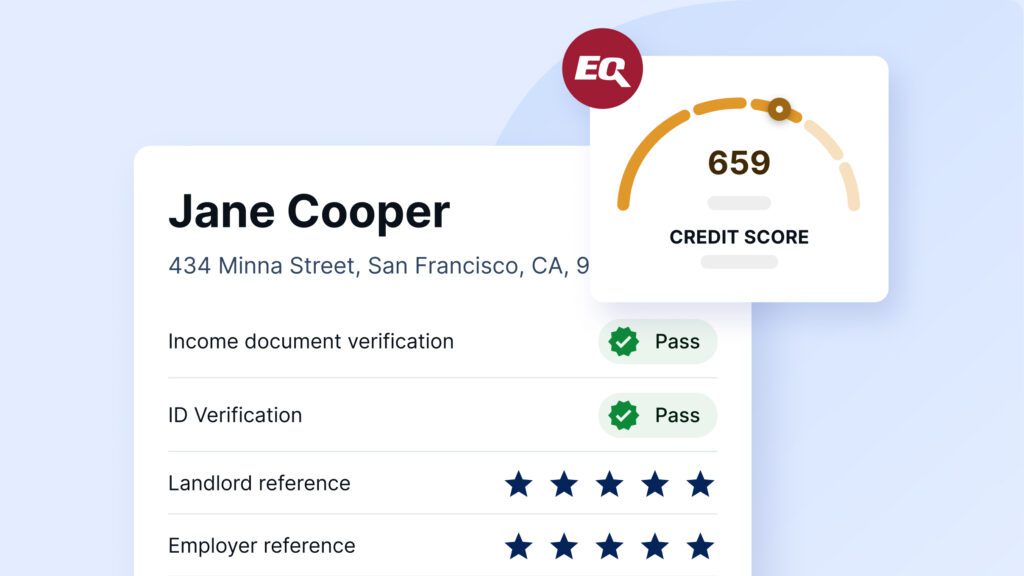
Before landlords accept a tenant’s deposit and provide the keys to a rental, they need to ensure that the possible, soon-to-be tenants pass the income test, that they have a fair to solid credit score, a good credit history, and are in good standing with their rental history.
When a tenant is tethered by eviction histories or extensive criminal history, that is a significant warning to landlords. Poor credit reports, eviction, and criminal records can be deal breakers and do not fall under housing discrimination laws.
This is why background checks are essential in a landlord’s quest to find their ideal tenant. If an applicant has an eviction record, that could indicate many missed or late payments. Here are essential items to include on a tenant screening checklist:
- Basic information, e.g., name, DOB, residential address
- Employment status
- Income sources
- List pets, size, breed
- Landlord references
- List other occupants, if applicable
- Do they consent to a background check?
- Do they agree to a credit check?