Being a rental property owner can be financially rewarding if you’re passionate about real estate and possess the right mix of skills.
But like every kind of business, there are risks that come with managing a rental property. As a landlord, it’s essential to become familiar with them and implement strategies to avoid them. With the right measures in place, you’ll have a better chance of running a thriving rental business.
Let’s dive into our guide on property risk management and the rewards of managing a rental property effectively.
Risk #1: Choosing a tenant who doesn’t meet your expectations
The success or failure of your rental business hinges primarily on one factor: the quality of your tenants. If you invite the wrong person to live in your rental, your entire operation can quickly go downhill.
Many unpleasant issues can arise if you wind up with a troublesome tenant. The most severe is non-payment of rent, which can quickly result in financial turmoil for your business. In fact, according to a recent survey, this situation is the number one fear for 46 percent of landlords—and rightly so.
As your cash flow turns negative, you may have to dip into your personal bank account to cover your property’s day-to-day expenses. Or, you may need to rely on expensive credit cards and lines of credit to stay afloat.
Unfortunately, evicting a tenant who refuses to pay rent isn’t easy. It can take months for a court or tribunal to hear your case. And even if the court grants you a judgment in your favour, the eviction process can be costly and time-consuming.
Of course, late or missed rent payments are not the only risk associated with delinquent tenants.
Your tenants may also cause extensive damage to your unit, either willfully or through neglect. As the property owner, you’ll have to cover the repair costs, reducing your bottom line.
Improper maintenance by the tenant can also pose problems. For example, garbage can pile up, attracting rodents or bugs, leading to unsanitary conditions. The yard can become overwhelmed by weeds, requiring extensive landscaping work.
Tips to avoid troublesome tenants
- Implement a formal and thorough screening process.
Create a method for screening tenants that allows you to quickly identify red flags and maximize your chances of finding the ideal renter. Ensure you apply the same standards for each applicant for accurate comparisons.
- Pre-screen tenants.
Save time and effort during the tenant screening process by asking applicants critical questions about their lifestyle, finances, and current circumstances. That way, you can quickly move on from those who fail to meet your minimum requirements.
- Do a credit and background check.
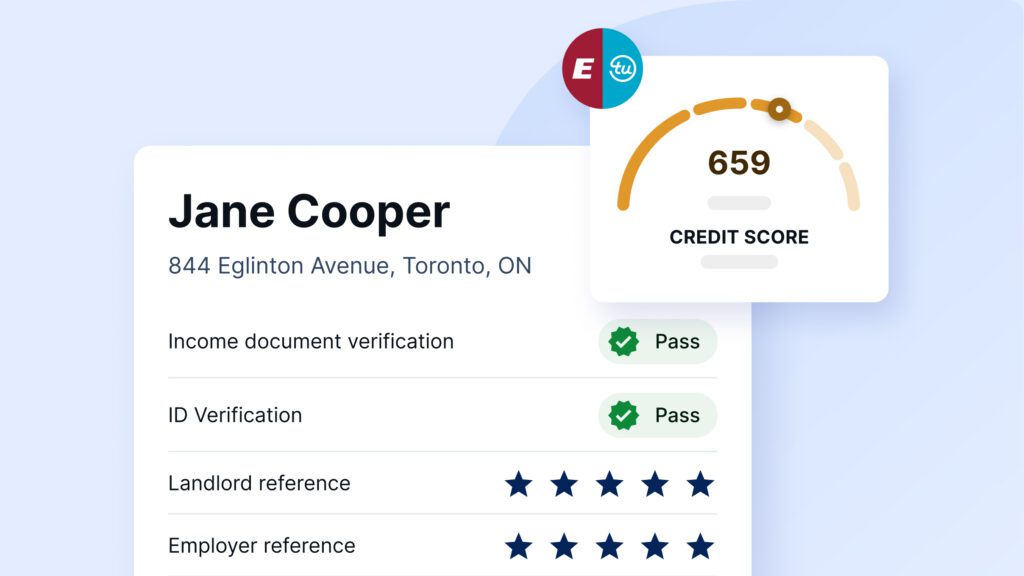
Conduct a credit check to determine tenants’ financial stability and a background check to gain insight into past behaviour, character, and habits.
- Use a tenant screening service.
Get the facts you need to evaluate tenants from a dependable third-party source, like SingleKey’s Tenant Report. Doing so will give you confidence and peace of mind knowing the information is reliable and accurate.
Risk #2: Costly repairs and maintenance
A rental property demands regular upkeep, repair work, and occasionally a large-scale overhaul. As a landlord, it’s your responsibility to attend to these tasks. Otherwise, you risk having your rental sustain considerable damage, such as ruptured pipes, a leaky roof, and various structural issues.
If you fail to address problems that emerge early on, you could be on the hook for tens of thousands of dollars in repairs. Extensive damage to your rental may also negatively impact its value, which means you’ll realize a loss should you decide to sell it. While your home insurance policy may shield you from some of the expenses you incur, it may not provide coverage for everything.
In addition to regular wear and tear, there’s also the possibility that your tenant may cause damage. While in some cases, you can use their security deposit to offset your costs, it won’t be sufficient in cases where the damage is significant.
Tips for minimizing rental property maintenance costs
- Complete a move-in and move-out inspection report.
A complete walkthrough during the tenant onboarding process will allow you to identify items that need your attention. At the end of a tenancy, you can conduct the same routine to address crucial repairs before finding a new tenant.
- Perform regular inspections.
Check up on your property regularly to ensure things are in good order. At a minimum, conducting a review twice yearly is wise, typically in the fall and spring. Older properties may require frequent inspections, as they’re more prone to deterioration.
- Address all repair work immediately.
The longer you wait, the greater the chance that a trivial problem, such as a water leak or a clogged pipe, becomes an expensive repair.
- Assign maintenance duties to your tenant.
Clarify with your tenant their maintenance duties while living in the rental. Ensure you give them clear instructions on how to carry out each task and check in on them occasionally to see if they have any questions.
- Partner with a property management company.
A reputable property manager has the experience, knowledge, and contracts with various service providers to keep your rental in top shape—and at an affordable rate.
Risk #3: Running into legal trouble
To operate a rental property business, you must comply with various local rules and regulations. These laws aim to keep your tenants safe from harm and protect their legal rights. If you fail to abide by these laws, you face stiff financial penalties or lawsuits. Local authorities can also shut down your rental operation.
First, your rental must adhere to your jurisdiction’s zoning laws, building codes, fire codes, and health and safety standards. In other words, it must be fit for habitation.
For example, if you’re looking to set up a basement suite in your house, you must check if you’re legally allowed to do so in your neighbourhood. You may also need to obtain several permits to ensure your unit meets occupancy standards and do some remodelling to get it up to par.
You may also encounter legal trouble if you ask tenants specific questions during the screening process. Certain inquiries are deemed illegal by your region’s Human Rights Code.
Each jurisdiction also has rules that address how you can run your rental business, including:
- The amount you can increase your rent by and how often you can do so
- The types of clauses you can include in your lease agreement
- The amount of notice you must provide your tenant before entering the property
- How and when you can temporarily evict a tenant to perform extensive renovations
- The type of maintenance duties you can assign to your tenant while they live on your property
Violating these rules can spur your tenants to file complaints with the court, possibly leading to fines and lawsuits.
Tips for staying out of legal trouble
- Familiarize yourself with local laws and regulations.
Visit your municipality’s and province’s websites to educate yourself about your legal obligations as a landlord. Also, get to know the tenant screening laws in Canada and the U.S.
- Seek legal counsel if needed.
Unsure about the legality of a specific property renovation or clause in your lease agreement? If so, consult with a lawyer specializing in real estate law. It’s a small price to avoid legal issues that can cost you a bundle down the road.
- Hire a property manager.
A seasoned property manager has the knowledge and experience to help you navigate the legal real estate environment.
- Structure your rental business as a corporation.
Setting up your rental property as a corporation will help shield your personal assets from lawsuits.
Risk #4: Failing to turn a profit
Proper money management is essential to a thriving rental business. You need to know where you stand financially throughout the year to avoid making poor decisions with your money. Inappropriate, late, or inaccurate financial figures can quickly lead you into financial trouble.
For example, you can easily overspend if you fail to create a budget and track your expenses. Whatever rental income you earn won’t be sufficient to cover these costs, leading to a loss for the year.
In addition, if your cash flow falls into negative territory, you risk falling behind on critical bills, such as your property’s mortgage. Failing to keep up with your mortgage payments may result in your lender foreclosing on the property.
Choosing a suboptimal rent price can also lead to financial hardship for your rental business. You may realize a loss at year-end if you select a price way below the market average. Conversely, if your rent is too steep, you’ll fail to attract renters, resulting in prolonged vacancies and a drop in revenue.
Tips for managing the financial risks of a rental property:
- Establish an emergency fund for unexpected expenses.
The easiest way to begin setting aside money is to take out a portion of each rent payment you receive and deposit the funds in a savings account.
- Stay on top of rental market trends.
Monitor the state of the real estate market to ensure that your rent price is reasonable and in line with current trends. Doing so will help you stay competitive and reduce the risk of lengthy vacancies.
- Spend wisely on property upgrades.
Avoid stretching your budget on lavish renovations. Only enhance your rental as needed to appeal to tenants and maintain its value. For large-scale renovations, crunch some numbers to see if the project will boost your property’s value or allow you to charge a higher rental fee.
- Take accounting and taxes seriously.
Stay current with your books and taxes to know how well you’re doing financially. If you hate doing paperwork, hiring an accountant or bookkeeper to help you is a good idea.
Risk #5: Not getting the right insurance coverage
The right insurance coverage is always money well spent—you never know what kinds of unexpected events you may encounter as a landlord. However, the wrong insurance policy can spell financial disaster for your rental business. If your policy doesn’t offer sufficient coverage, you could be on the hook for colossal repair, legal, or medical bills.
First, rental property insurance protects your rental against physical damage. This includes damage stemming from fire, wind, hail, and various natural disasters, like floods and earthquakes.
Second, it provides you with liability protection. Suppose a court ruling deems you responsible for injuries sustained by your tenant. In that case, your insurance provider will pay for the legal and medical costs you incur from the lawsuit.
Rent default insurance is also available, which covers your rental income for a limited period should your tenant fail to pay their rent.
If your rental property insurance contains sizable gaps in coverage in the above areas, you could be financially vulnerable and not even know it.
Tips for managing insurance risk for a rental property:
- Assess what type of coverage you require.
Determine what kind of coverage you’ll need based on your circumstances. For example, if your property is in an area prone to flooding, get a policy containing a rider for this type of disaster.
- Do extensive research on your insurance options.
Review policies from multiple insurance providers to understand your choices, the type of coverage you can expect, and your annual premium.
- Request that your tenant obtain their own insurance.
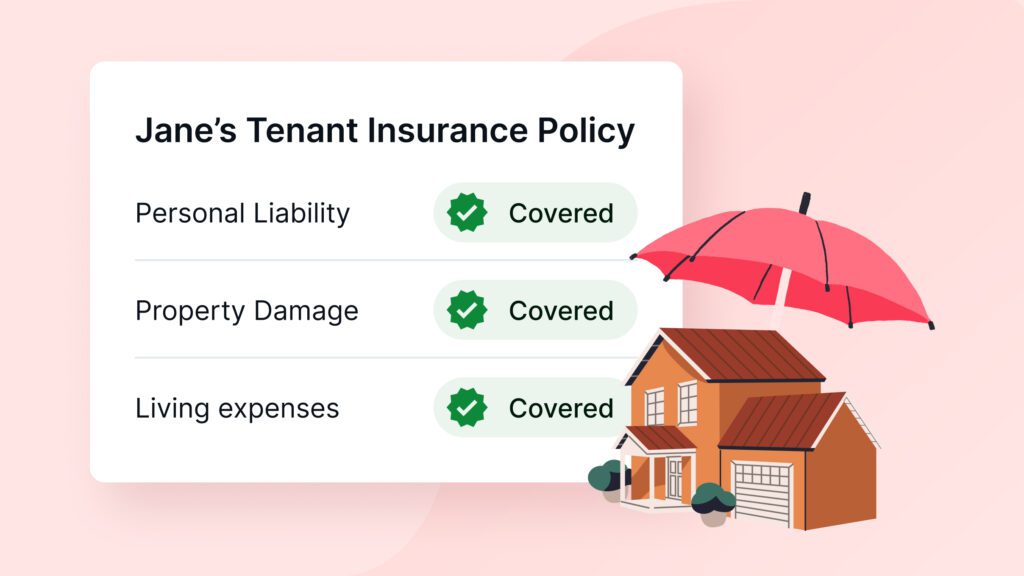
To lower your risk exposure, include in your lease agreement that tenants must acquire renter’s insurance. This policy reimburses tenants for their personal possessions if they become damaged or stolen. It also provides liability protection in case a guest gets injured while on your property.
The rewards of effectively managing a rental property
As long as you take the appropriate steps to manage the risks of rental property ownership, you can reap the rewards, including the following.
Reliable revenue
A successful rental property will generate consistent monthly income for you for many years. Provided your unit remains occupied, you’ll collect rent payments like clockwork and earn a healthy profit margin each year. Because most leases span at least one year, you can expect predictable cash flow with little to no fluctuations.
Potential for property appreciation
In addition to dependable monthly income, your rental property’s value may also increase over time. Like the stock market, real estate prices tend to rise over the long run. Therefore, if you take proper care of your property and make financially shrewd renovations, you stand to earn a tidy profit should you decide to sell it in the future.
Less stress
Property damage, rent payment defaults, drawn-out evictions, hostile tenants, and hefty lawsuits can negatively affect your physical and mental well-being. But if you minimize your exposure to these nightmare scenarios, you won’t need to be on guard constantly and spend hours each day working to resolve them. Practicing good property risk management will eliminate a lot of stress and anxiety.
Our final thoughts
Owning a rental property can be a lucrative business venture and personally rewarding. Still, there are risks involved in being a landlord, like costly repairs and maintenance, legal disputes, and of course, getting stuck with a tenant who suddenly stops paying their rent.
The good news is that careful planning and research can help you avoid many of these issues. Some solutions include setting up a comprehensive tenant screening process, conducting routine property inspections, performing regular maintenance, staying up to date with your books, analyzing rental market trends, and complying with local real estate laws. Setting up the proper measures upfront will save you from plenty of hassles, headaches, and financial turmoil, as you work toward becoming a successful rental property owner. You can also safeguard your cash flow with a rent guarantee that covers lost rent and protects you from the financial impact of tenant defaults.